

Why Watch
"Razor-sharp Glaswegian working-class satire powered by Gregor Fisher's iconic, uncompromising, headband-wearing street philosopher."
Tone: Abrasive, Hilarious, Working-Class Satire
AI Critic Analysis
Series Deep Dive:
A cornerstone of Scottish television comedy, Rab C. Nesbitt delivers an unflinching, darkly comic examination of urban working-class life. Anchored by Gregor Fisher's ferocious lead performance, the series transforms Glasgow's Govan into an arena of sharp social commentary, alcoholic defiance, and domestic friction. Written with venomous wit by Ian Pattison, Season 10 cements Rab's enduring legacy as British television's most articulate, chaotic antihero. Essential viewing for classic British sitcom aficionados.
Analysis Refined:March 2026
Scheduled next refinement: in 358 days
Season: 10
| Watched? | # | Air Date | Episode Name |
|---|---|---|---|
| E1 | Oct 05, 2011 | Broke | |
| E2 | Oct 12, 2011 | Fugue | |
| E3 | Oct 19, 2011 | Cuts | |
| E4 | Oct 26, 2011 | Fight | |
| E5 | Nov 02, 2011 | Role | |
| E6 | Nov 09, 2011 | Stool |
Series Legacy & Historical Archive
Franchise Status: Concluded Historical Archive
Rab C. Nesbitt remains a definitive pillar of television, having concluded its influential run on BBC One. This sharp Scottish sitcom elevated working-class street philosophy into an art form through Gregor Fisher’s iconic string-vested protagonist. Through biting social commentary and heartfelt pathos, the series tackled poverty, politics, and urban life with unapologetic authenticity. Decades later, Rab C. Nesbitt retains a timeless cultural relevance, celebrated for blending relentless dark humor with resonant portraits of resilience across working communities.
Oracle Insights Refined:March 2026
Scheduled next refinement: in 508 days
If you liked Rab C. Nesbitt:
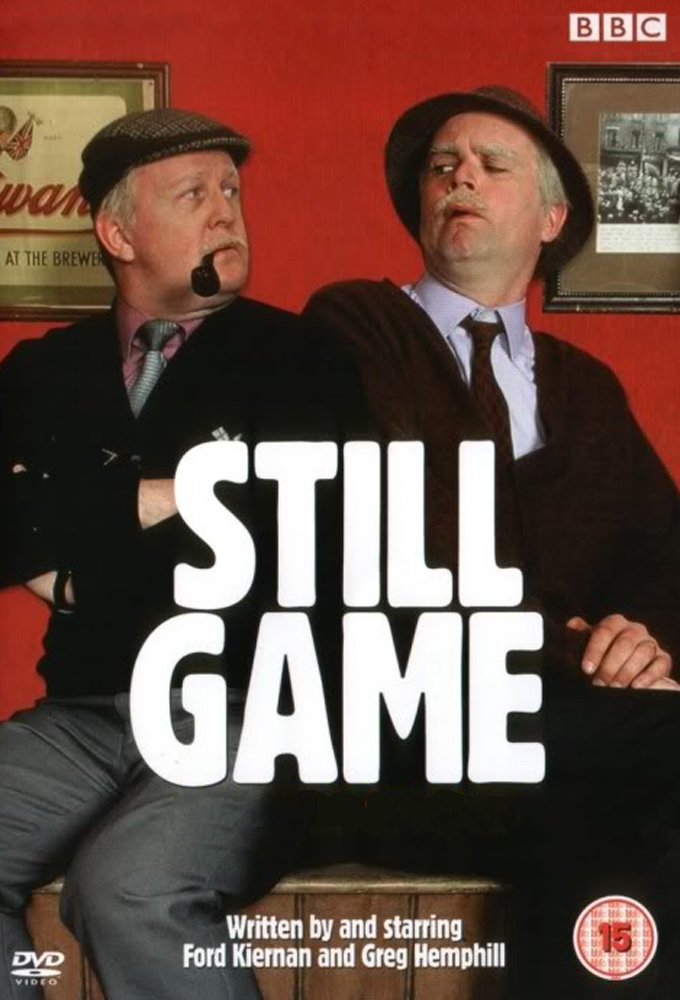


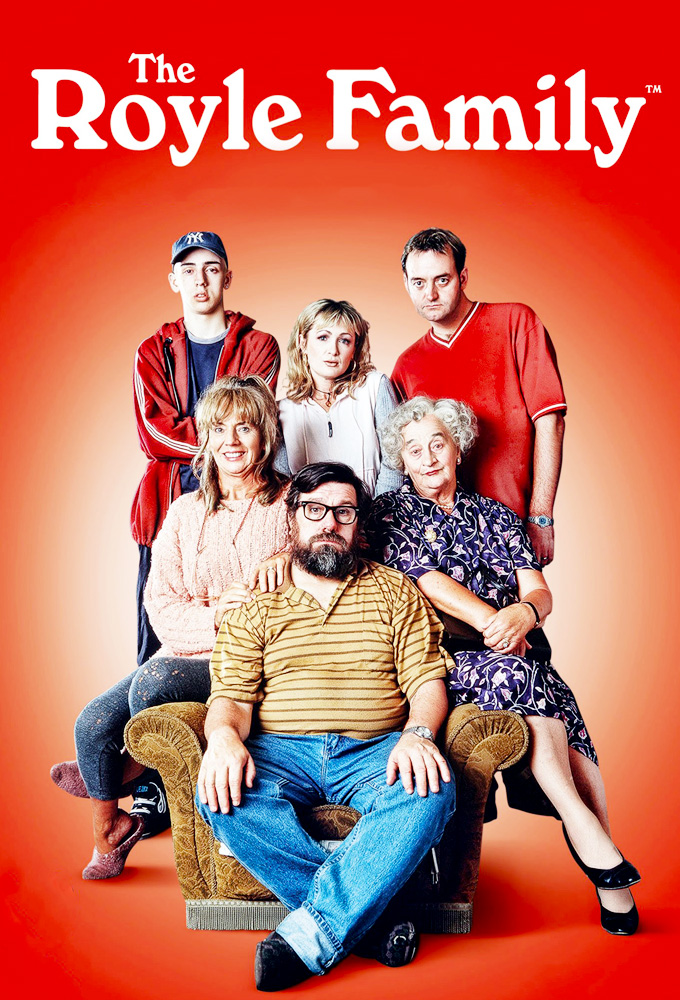


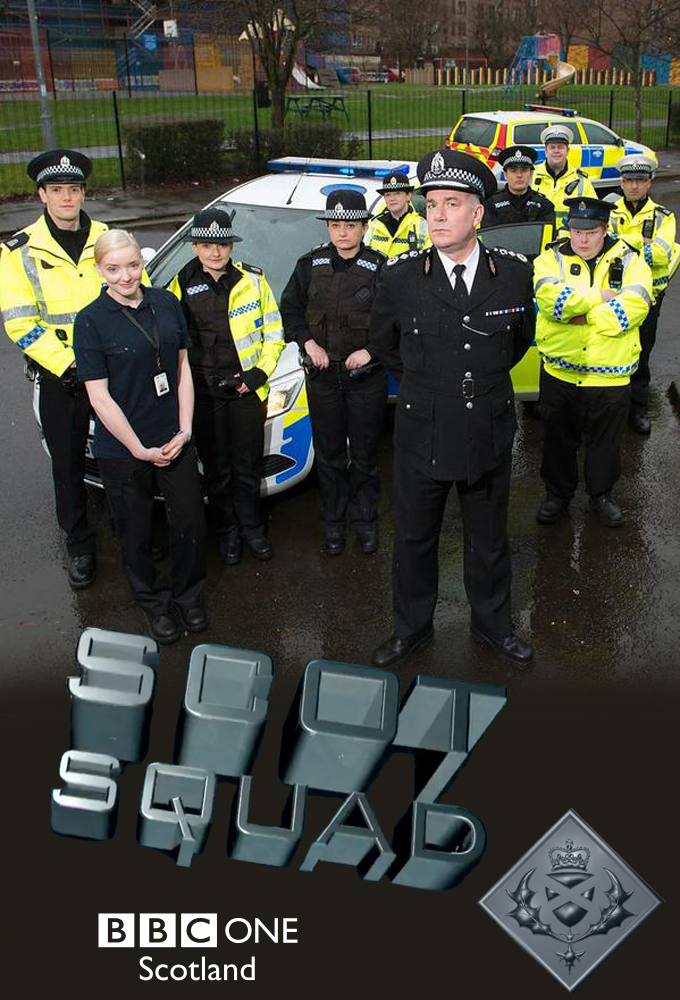
Frequently Asked Questions
The series concluded in 2014 after its tenth season as the creators felt the character had reached a natural narrative conclusion. While there was no official cancellation notice, the long gaps between later series indicated a transition away from regular production.
Currently, there are no confirmed plans or credible rumors regarding a televised revival of the series. However, the cast has occasionally reunited for live stage performances, keeping the character alive in a non-broadcast format.
There are ten total seasons of the show, which originally aired between 1988 and 2014. This includes the initial nine-season run and a special revival season that premiered several years after the first conclusion.
While there are no direct narrative spin-offs, the character of Rab C. Nesbitt actually originated as a recurring sketch on the comedy series Naked Video. Additionally, lead actor Gregor Fisher starred in The Baldy Man, which shared a similar style of physical comedy but featured a different protagonist.
Most of the holiday and seasonal specials are included in complete series box sets and are occasionally available on UK-based streaming platforms like BBC iPlayer or BritBox. These specials are often categorized alongside the main seasons rather than as a separate series.
The show was created and written by Ian Pattison, who developed the character's distinct philosophical but gritty persona. His writing is credited with maintaining the show's unique blend of social commentary and dark Glaswegian humor across three decades.
FAQ Refined:March 2026
Scheduled next refinement: in 164 days