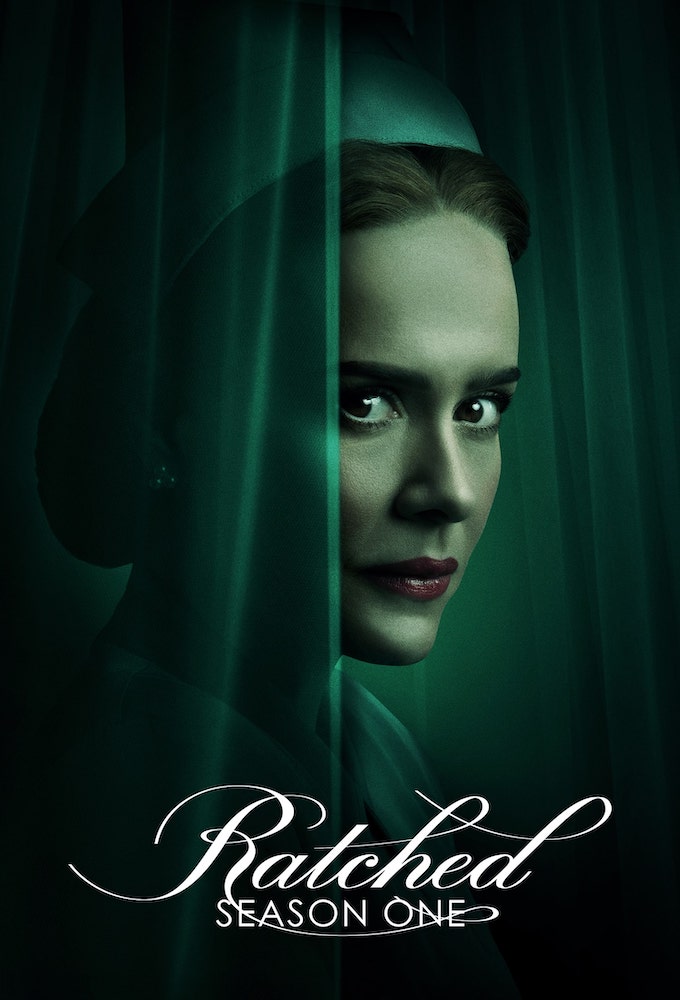

Why Watch
"Sarah Paulson delivers a chilling, stylish origin story for cinema's most notorious psychiatric nurse in this psychological thriller."
Tone: Stylized, Psychological Thriller, Melodramatic



AI Critic Analysis
Series Deep Dive:
Ryan Murphy reconstructs the origins of asylum tyrant Mildred Ratched in this vivid mid-century thriller. Sarah Paulson anchors the drama with icy precision, turning a classic literary villain into a complex study of calculated survival. Backed by lavish production design and intense ensemble performances, Ratched delivers an operatic, chilling medical noir that completes its disturbing, standalone psychological arc across eight gripping episodes on Netflix.
Analysis Refined:March 2026
Scheduled next refinement: in 374 days
Season: 1
| Watched? | # | Air Date | Episode Name |
|---|---|---|---|
| E1 | Sep 18, 2020 | Pilot | |
| E2 | Sep 18, 2020 | Ice Pick | |
| E3 | Sep 18, 2020 | Angel of Mercy (1) | |
| E4 | Sep 18, 2020 | Angel of Mercy (2) | |
| E5 | Sep 18, 2020 | The Dance | |
| E6 | Sep 18, 2020 | Got No Strings | |
| E7 | Sep 18, 2020 | The Bucket List | |
| E8 | Sep 18, 2020 | Mildred and Edmund |
Series Legacy & Historical Archive
Franchise Status: Concluded Historical Archive
Ratched remains a definitive pillar of television, having concluded its influential run on Netflix. Developed by Ryan Murphy and Evan Romansky, this vibrant psychological thriller reimagined the origins of Ken Kesey's notorious asylum administrator, Nurse Mildred Ratched. Anchored by Sarah Paulson's magnetic lead performance and lavish mid-century aesthetics, the series delivered an intoxicating blend of melodrama and macabre suspense. While originally planned for additional installments, its singular chapter stands preserved as an audacious exploration of institutional control, trauma, and calculated ambition.
Oracle Insights Refined:March 2026
Scheduled next refinement: in 539 days
If you liked Ratched:







Technical Details
- Network: Netflix
- Seasons: 1
- Years: 2020 - 2020
- Genre: Crime, Drama, Mystery, Thriller
- Rating: TV-MA
Frequently Asked Questions
Ratched was canceled after its first season despite initially receiving a two-season order when the series was first announced. Lead actress Sarah Paulson confirmed in early 2024 that the show would not be returning for a second installment, ending years of uncertainty regarding its status.
There is only one season of Ratched, which consists of eight episodes that premiered in September 2020. Although the series was intended to span multiple seasons to bridge the gap to the events of One Flew Over the Cuckoo's Nest, no further episodes were filmed.
There are currently no credible rumors or official reports suggesting that Ratched will be rebooted or revived on another platform. Since the official confirmation of its cancellation, the creative team and primary cast members have moved on to other high-profile projects.
There are no spin-offs for Ratched, as the show itself functions as a prequel to the famous novel and film One Flew Over the Cuckoo's Nest. The story is a standalone character study focused specifically on the origin of Mildred Ratched.
No, a second season of Ratched is not happening according to lead star Sarah Paulson. While fans waited nearly four years for news, the production was officially scrapped and will not continue the narrative left open at the end of season one.
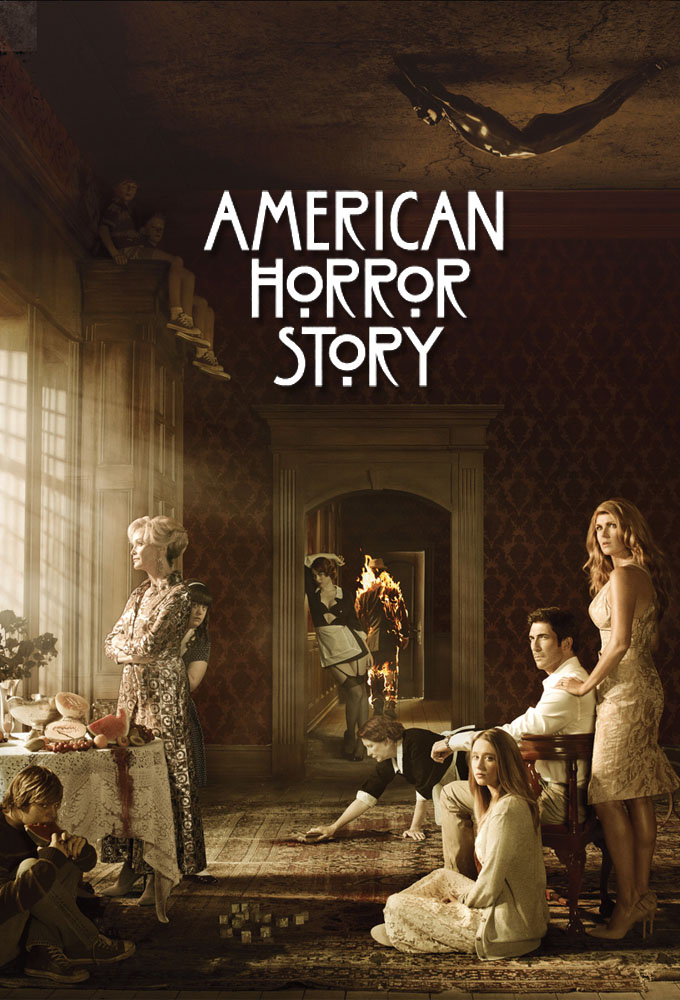
Ratched is not narratively connected to the American Horror Story universe, although it shares the same creator, Ryan Murphy, and several recurring cast members. It is a distinct intellectual property based on the character created by author Ken Kesey.
FAQ Refined:March 2026
Scheduled next refinement: in 191 days