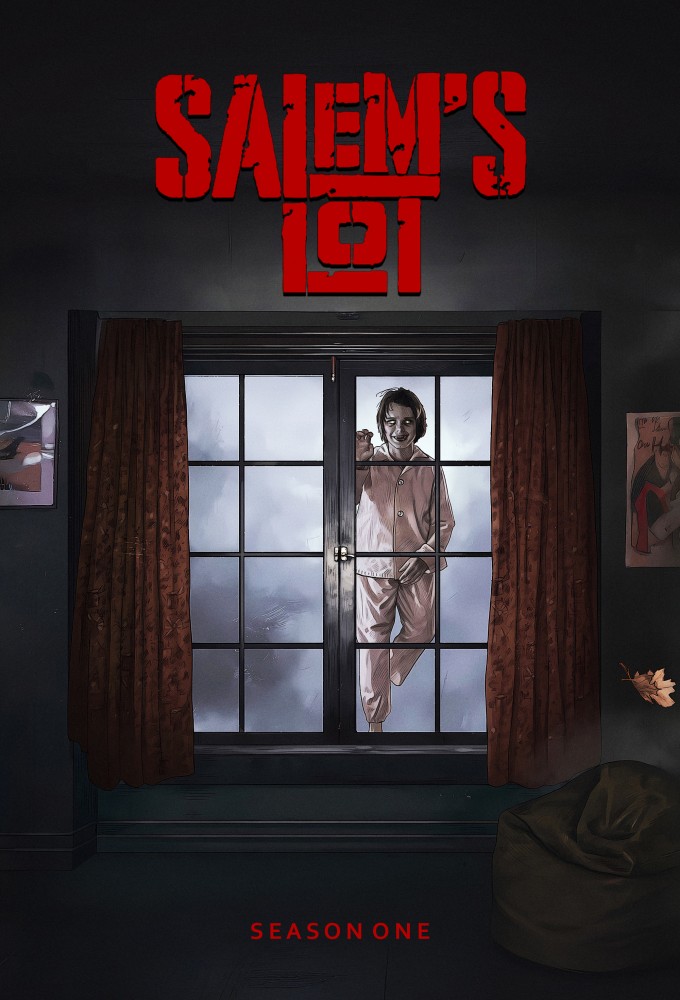

Why Watch
"Tobe Hooper turns small-town Maine into a masterclass of vintage terror, unforgettable vampire lore, and enduring dread."
AI Critic Analysis
Series Deep Dive:
Before peak prestige television, director Tobe Hooper delivered this chilling adaptation of Stephen King's vampire classic on CBS. Anchored by David Soul's haunted novelist and Reggie Nalder's terrifying Kurt Barlow, Salem's Lot treats suburban rot with patient dread. It remains a watershed miniseries event, establishing benchmark horror visuals for network broadcasting that continue to chill audiences decades later. A definitive snapshot of late-seventies American gothic television.
Production Note - Limited Series
Production Type: Miniseries
Salem's Lot is a standalone Miniseries designed as a completed, finite historical narrative. Developed for CBS as a two-part television event, the production aimed to translate the sprawling gothic atmosphere of Stephen King's sophomore novel into a cinematic format. By utilizing a closed-ended structure, the creators were able to focus on the escalating tension of a small Maine town being overtaken by an ancient vampire without the need to sustain a multi-season plot.
The decision to produce the story as a limited event allowed the filmmakers to maintain high production values and a specific directorial vision that culminated in a definitive resolution. While the property has seen later theatrical edits and separate remakes, this 1979 iteration was conceived and executed as a self-contained work. Its status as a finite production ensures that the narrative arc remains focused on the central conflict of Ben Mears and the residents of Jerusalem's Lot.
If you liked Salem's Lot:
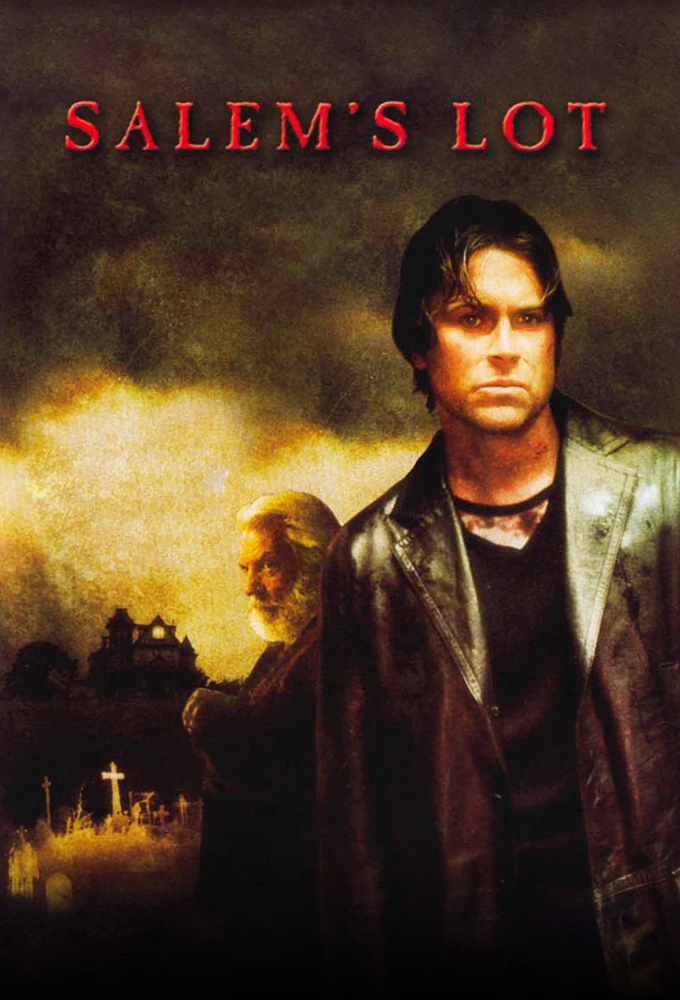
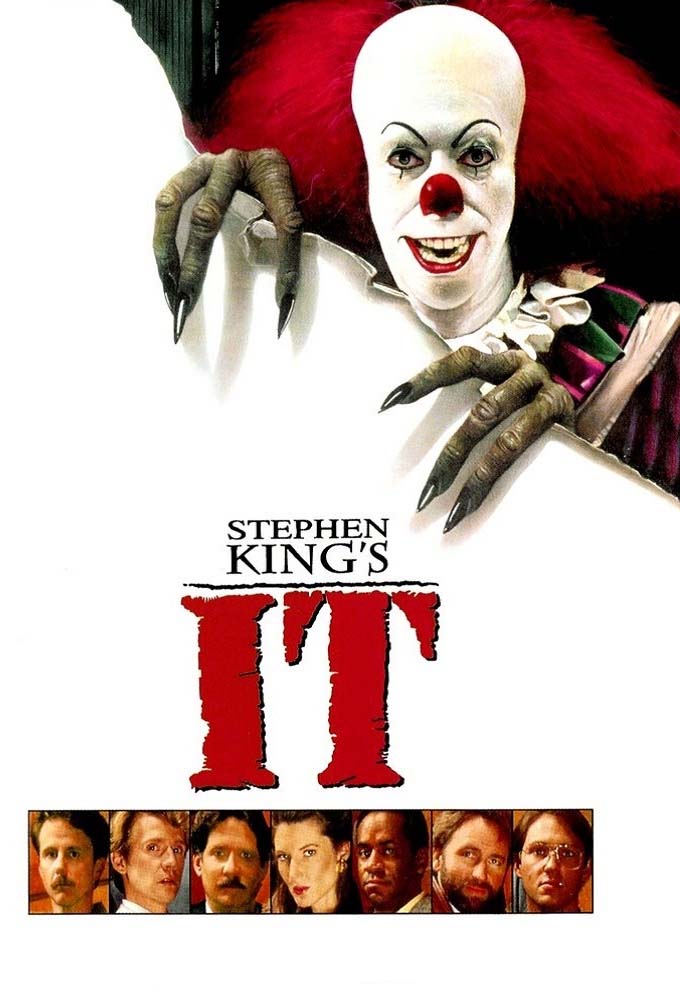

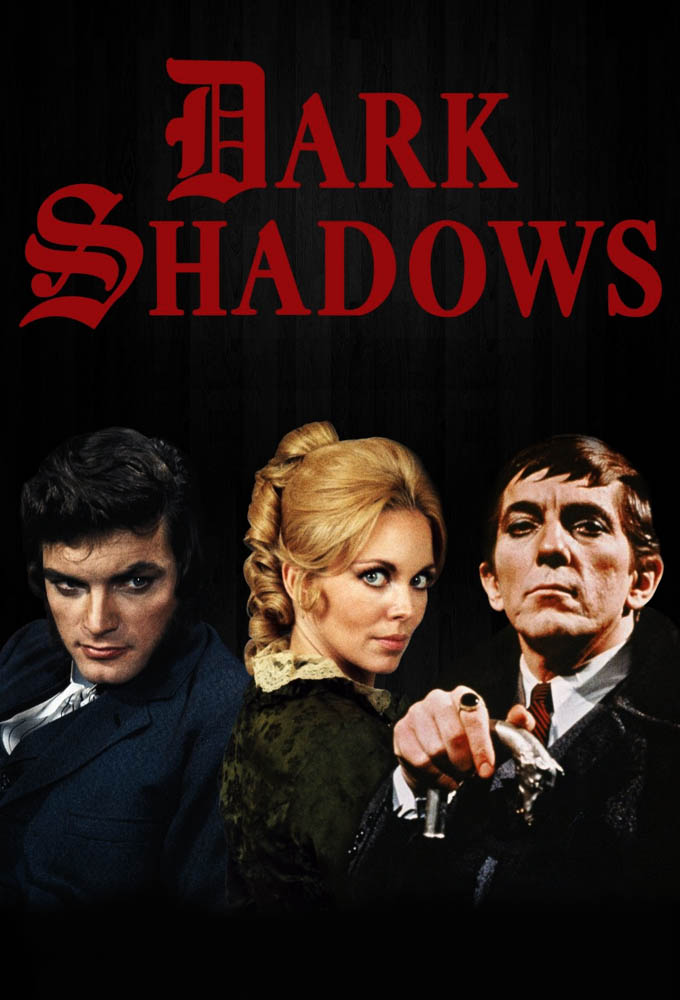





Trailer
Technical Details
- Network: CBS
- Seasons: 1
- Years: 1979 - 1979
- Genre: Drama, Horror, Mini-Series, Thriller
- Rating: TV-PG