Why Watch
"Revisit dynamic martial arts combat and vibrant rogue reinventions in this sleek, kinetic reimagining of Gotham's Dark Knight."








AI Critic Analysis
Series Deep Dive:
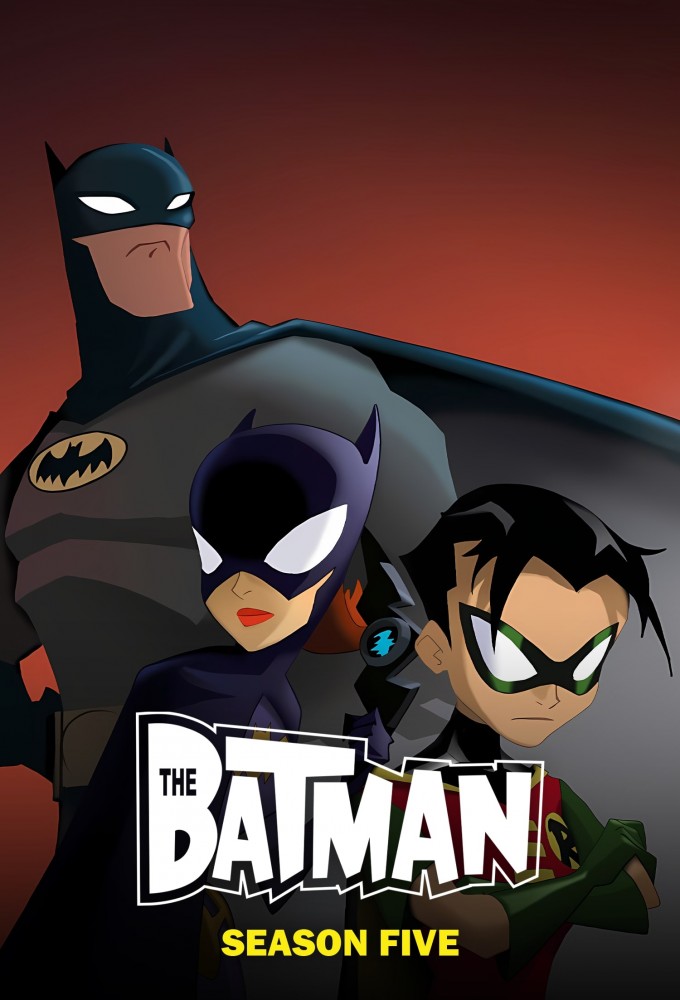
Jeff Matsuda's striking visual style gave The Batman a distinct identity, divorcing it from predecessor traditions through kinetic combat and bold villain redesigns. Season 5 caps the animated run by integrating wider DC Universe icons like Superman and Green Lantern, transforming Bruce Wayne's localized crusade into a cosmic defense. The fifth chapter delivers a crisp, satisfying conclusion that honors its acrobatic focus while setting Gotham firmly within legendary comic lore.
Season: 5
| Watched? | # | Air Date | Episode Name |
|---|---|---|---|
| E1 | Sep 22, 2007 | The Batman/Superman Story (1) | |
| E2 | Sep 29, 2007 | The Batman/Superman Story (2) | |
| E3 | Oct 06, 2007 | Vertigo | |
| E4 | Oct 13, 2007 | White Heat | |
| E5 | Nov 03, 2007 | A Mirror Darkly | |
| E6 | Nov 10, 2007 | Joker Express | |
| E7 | Dec 08, 2007 | Ring Toss | |
| E8 | Dec 15, 2007 | The Metal Face of Comedy | |
| E9 | Feb 02, 2008 | Attack of the Terrible Trio | |
| E10 | Feb 09, 2008 | The End of the Batman | |
| E11 | Feb 16, 2008 | What Goes Up... | |
| E12 | Mar 08, 2008 | Lost Heroes (1) | |
| E13 | Mar 08, 2008 | Lost Heroes (2) |
Series Legacy & Historical Archive
Franchise Status: Concluded
The Batman remains a definitive pillar of superhero television, having concluded its influential run on Kids' WB. Emerging in the shadow of the critically acclaimed nineties animated series, this iteration carved out its own unique identity through the distinct, stylized character designs of Jeff Matsuda and a focus on a younger, more physically agile Bruce Wayne. Its cultural DNA is defined by a bold departure from tradition, reimagining classic villains like the Joker and the Riddler with radical new aesthetics and motivations that challenged long-standing fan expectations. By blending high-tech gadgetry with kinetic martial arts sequences, the show successfully modernized the mythos for a new millennium, proving that the caped crusader could be reinvented without losing his core essence.
The series maintains its status as a rewatch staple because of its tight pacing and the rewarding evolution of its supporting cast, specifically the integration of Batgirl and Robin in later seasons. Fans return to the show to appreciate the vibrant color palettes and the high-energy score that set it apart from its more gothic predecessors. Its legacy is further cemented by its multiple Daytime Emmy wins, which recognized the technical achievement and creative risks taken during its five-season tenure. As a bridge between the classic noir interpretations and the more experimental animation of the modern era, it remains a vital chapter in the history of DC animation that continues to find new audiences on streaming platforms.
If you liked The Batman:





Technical Details
- Network: The WB
- Seasons: 5
- Years: 2004 - 2008
- Genre: Action, Adventure, Animation, Children, Crime, Drama, Family, Fantasy, Mystery, Science Fiction
- Rating: TV-Y7