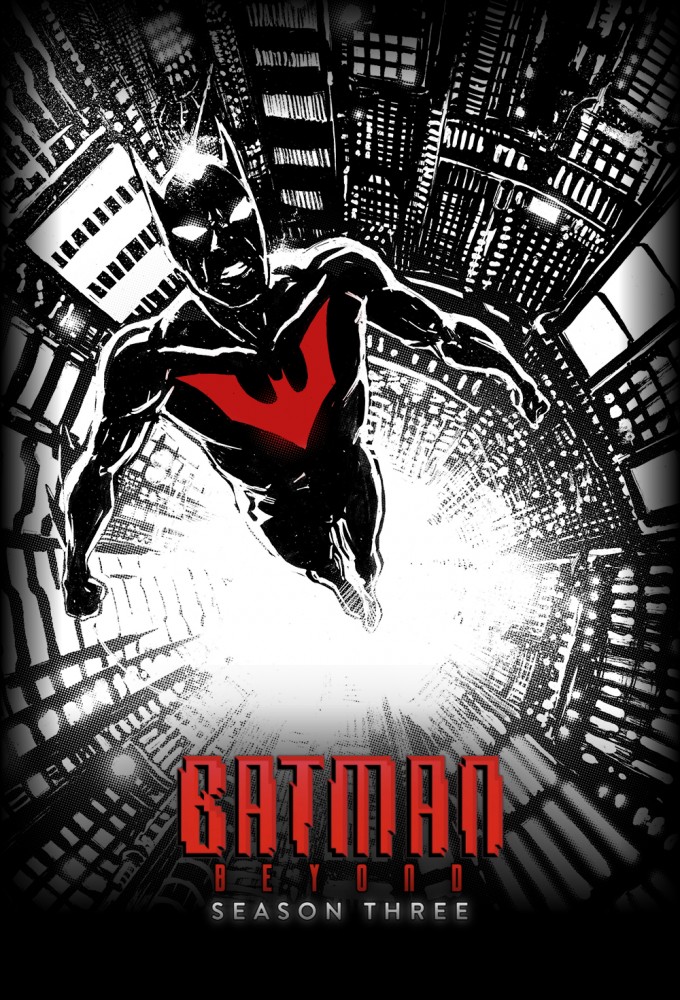
Why Watch
"Cyberpunk grit meets Bruce Wayne's legacy as Terry McGinnis redefines Gotham's dark knight for a sleek future."
Tone: Cyberpunk, Noir, Futuristic Superhero







AI Critic Analysis
Series Deep Dive:
Bruce Timm and Paul Dini's animated triumph pushed the DC Animated Universe into an unforgiving future. In Batman Beyond Season 3, Terry McGinnis solidifies his identity beneath the cowl, grappling with rogue threats and Bruce Wayne's uncompromising mentorship. Featuring sharp voice work from Will Friedle and Kevin Conroy, the final broadcast chapter delivers definitive neo-noir storytelling, elevating futuristic crime drama into an essential cornerstone of modern superhero fiction.
Analysis Refined:March 2026
Scheduled next refinement: in 394 days
Season: 3
| Watched? | # | Air Date | Episode Name |
|---|---|---|---|
| E1 | Sep 16, 2000 | King's Ransom | |
| E2 | Sep 23, 2000 | Untouchable | |
| E3 | Sep 30, 2000 | Inqueling | |
| E4 | Oct 07, 2000 | Big Time | |
| E5 | Oct 21, 2000 | Out of the Past | |
| E6 | Nov 04, 2000 | Speak No Evil | |
| E7 | Nov 11, 2000 | The Call (1) | |
| E8 | Nov 18, 2000 | The Call (2) | |
| E9 | Dec 09, 2000 | Betrayal | |
| E10 | Feb 03, 2001 | Curse of the Kobra (1) | |
| E11 | Feb 10, 2001 | Curse of the Kobra (2) | |
| E12 | Apr 07, 2001 | Countdown | |
| E13 | Dec 18, 2001 | Unmasked |
Series Legacy & Historical Archive
Franchise Status: Concluded Historical Archive; periodic animated feature revival rumors and comic continuations persist.
Batman Beyond remains a definitive pillar of television, having concluded its influential run on The WB. The cyberpunk sequel defied conventional skepticism by introducing Terry McGinnis under the stern mentorship of an aging Bruce Wayne. Its sleek aesthetic and mature themes deepened the DC Animated Universe.
The series boldly redefined the superhero mythos with innovative rogues, neon-drenched atmosphere, and complex morality. Decades later, Batman Beyond stands as an iconic masterclass in generational legacy, continually inspiring contemporary comic continuations and devoted fan discourse.
The series boldly redefined the superhero mythos with innovative rogues, neon-drenched atmosphere, and complex morality. Decades later, Batman Beyond stands as an iconic masterclass in generational legacy, continually inspiring contemporary comic continuations and devoted fan discourse.
Oracle Insights Refined:March 2026
Scheduled next refinement: in 463 days
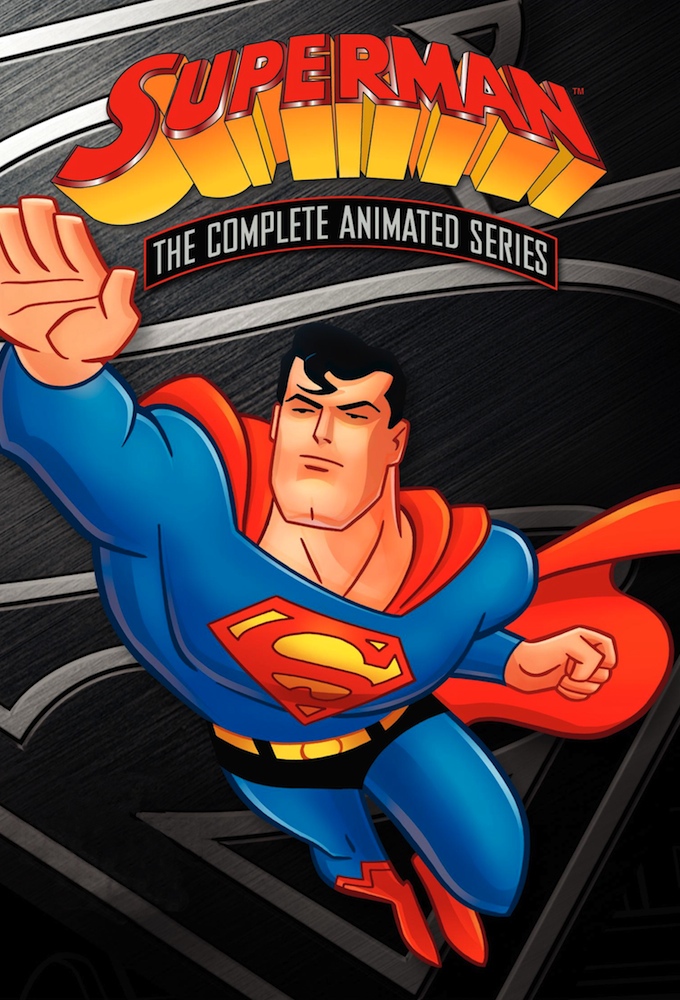
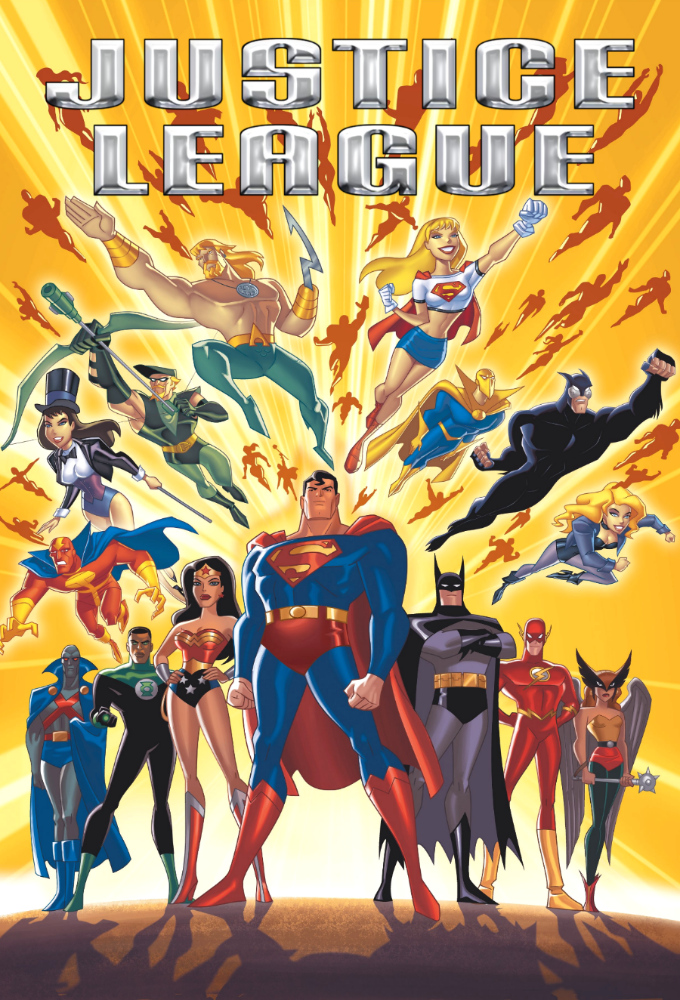
If you liked Batman Beyond:





Technical Details
- Network: The WB
- Seasons: 3
- Years: 1999 - 2001
- Genre: Action, Adventure, Animation, Children, Crime, Drama, Mystery, Science Fiction, Thriller
- Rating: TV-Y7
Frequently Asked Questions
Batman Beyond consists of three seasons totaling 52 episodes that originally aired between 1999 and 2001. Although the series ended after three seasons, the narrative was later concluded through a special finale episode in a different series.
The series was not canceled due to low ratings but was brought to a halt so the production team could focus on developing the Justice League animated series. This transition allowed the creators to expand the DC Animated Universe while eventually providing closure for Terry McGinnis in later projects.
While concept art for an animated Batman Beyond feature recently surfaced online, there are currently no official plans for a reboot or live-action movie in active development. Fans often speculate about a Michael Keaton-led project, but these remain unconfirmed rumors rather than greenlit productions.
The series produced one direct spin-off titled The Zeta Project, which focuses on a humanoid infiltration unit that first appeared in the Batman Beyond episode Zeta. Additionally, Terry McGinnis appears in crossover episodes within Static Shock and Justice League Unlimited.
The official series finale occurs in the Justice League Unlimited episode titled Epilogue, which is set fifteen years after the original show. This episode explores Terry McGinnis's true origins and solidifies his legacy as the permanent successor to Bruce Wayne.
Beyond the animated appearances in the DC Animated Universe, the story continues extensively in various DC Comics series specifically branded under the Batman Beyond title. These comic runs explore new villains and further develop the futuristic version of Gotham City.
FAQ Refined:March 2026
Scheduled next refinement: in 153 days