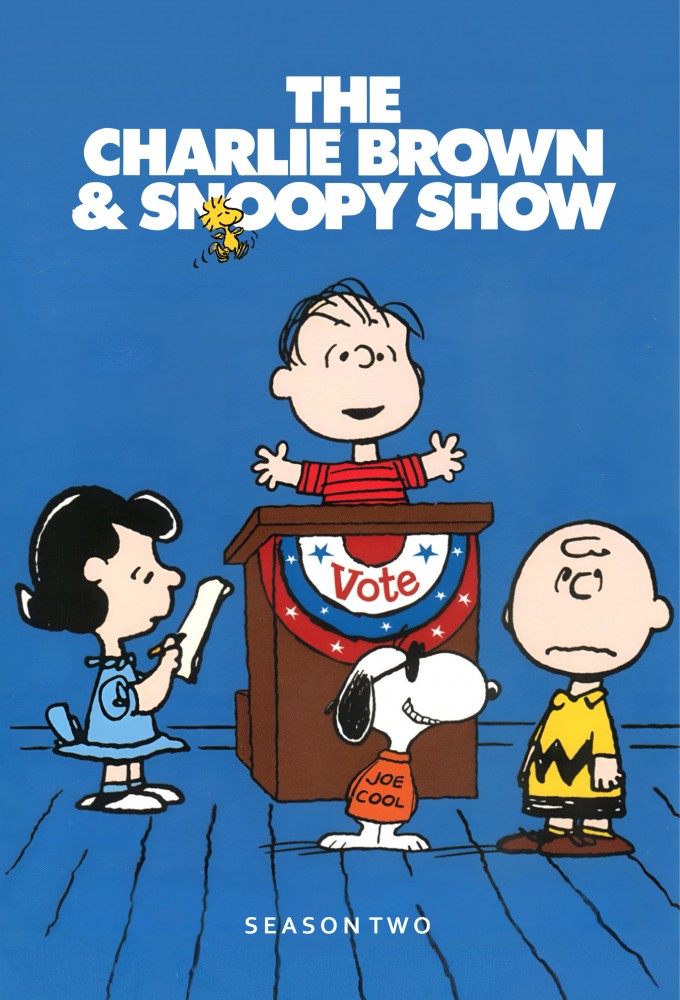

Why Watch
"Charles M. Schulz's classic comic strips spring to vibrant life through whimsical, bite-sized animated Saturday morning vignettes."



AI Critic Analysis
Series Deep Dive:
CBS's The Charlie Brown and Snoopy Show delivers an authentic translation of Charles M. Schulz's beloved syndicated comic strip. Season 2 completes the animated series with vignette-driven storylines featuring Snoopy's alter egos and the melancholic, humorous daily struggles of Charlie Brown and the Peanuts gang. It remains an essential artifact of classic television animation, retaining Vince Guaraldi's signature musical spirit and Schulz's sharp, introspective childhood humor throughout every completed storyline.
Season: 2
| Watched? | # | Air Date | Episode Name |
|---|---|---|---|
| E1 | Sep 14, 1985 | Snoopy and the Giant | |
| E2 | Sep 21, 1985 | Snoopy's Brother Spike | |
| E3 | Sep 28, 1985 | Snoopy's Robot | |
| E4 | Oct 05, 1985 | Peppermint Patty's School Days | |
| E5 | Oct 12, 1985 | Sally's Sweet Babboo |
Series Legacy & Historical Archive
Franchise Status: Legacy / Classic
The Charlie Brown and Snoopy Show remains a definitive pillar of animated television, having concluded its influential run on CBS. This series served as a crucial bridge between the iconic holiday specials and the daily reading habits of millions, successfully translating the rhythmic pacing of the four-panel comic strip into a television format. By utilizing Charles M. Schulz's original storylines directly, the show maintained a level of philosophical depth and gentle melancholy that set it apart from the more frantic Saturday morning cartoons of the 1980s. Its legacy is found in how it humanized its cast, allowing Snoopy's imaginative escapades to coexist with Charlie Brown's quiet existentialism, creating a blueprint for character-driven animation that appeals to both children and adults.
Today, the series remains a rewatch staple because it captures the timeless essence of childhood innocence and the universal struggle with small-scale failures. Fans return to these episodes for the nostalgic comfort of the Vince Guaraldi-inspired scores and the familiar voice acting that defined a generation's perception of the Peanuts gang. The show's DNA persists in modern animation that favors episodic, slice-of-life storytelling over high-stakes action. As a cultural artifact, it represents a moment when mainstream media prioritized the quiet, thoughtful observations of a cartoonist over commercial gimmicks, ensuring its place as a cherished chapter in the broader Schulz media legacy.
If you liked The Charlie Brown and Snoopy Show:






Technical Details
- Network: CBS
- Seasons: 2
- Years: 1983 - 1985
- Genre: Animation, Children, Comedy, Family, Sport
- Rating: TV-G