

Why Watch
"David Simon delivers an unflinching, authentic character study tracking the rise and commercialization of New York's adult industry."





AI Critic Analysis
Series Deep Dive:
Creators David Simon and George Pelecanos bring their sprawling portrait of 1970s and '80s Times Square to a powerful close in The Deuce Season 3. Anchored by commanding performances from Maggie Gyllenhaal and James Franco, the final chapter captures the stark commercialization of urban nightlife, the dawn of home video, and the devastating impact of the HIV epidemic. The Deuce stands as a definitive, unsentimental look at American labor and transformation.
Season: 3
| Watched? | # | Air Date | Episode Name |
|---|---|---|---|
| E1 | Sep 09, 2019 | The Camera Loves You | |
| E2 | Sep 16, 2019 | Morta di Fame | |
| E3 | Sep 23, 2019 | Normal Is a Lie | |
| E4 | Sep 30, 2019 | They Can Never Go Home | |
| E5 | Oct 07, 2019 | You Only Get One | |
| E6 | Oct 14, 2019 | This Trust Thing | |
| E7 | Oct 21, 2019 | That's a Wrap | |
| E8 | Oct 28, 2019 | Finish It |
Series Legacy & Historical Archive
Franchise Status: Concluded
The Deuce remains a definitive pillar of period drama television, having concluded its influential run on HBO. The series serves as a gritty, meticulously researched portrait of New York City during the rise of the legal pornography industry, capturing the intersection of urban decay and commercial ambition. Created by David Simon and George Pelecanos, it functions as more than just a historical recreation; it is a profound sociological study of how capitalism commodifies human bodies and reshapes the landscape of a city. Its legacy is rooted in its refusal to sensationalize its subject matter, instead focusing on the lived experiences of barkeeps, sex workers, and street-level hustlers who navigated a rapidly changing moral and economic climate.
Today, the show remains a rewatch staple because of its masterful world-building and the deep empathy it extends to its ensemble cast. The transformation of Times Square from a hub of illicit activity to a sanitized corporate destination provides a haunting narrative arc that mirrors broader American shifts in the late twentieth century. Fans return to the series for its rich atmosphere, the standout performances from its leads, and its unflinching look at the systemic forces that govern society. It stands as a testament to the power of long-form storytelling to document the soul of a city and the complex people who inhabit its shadows.
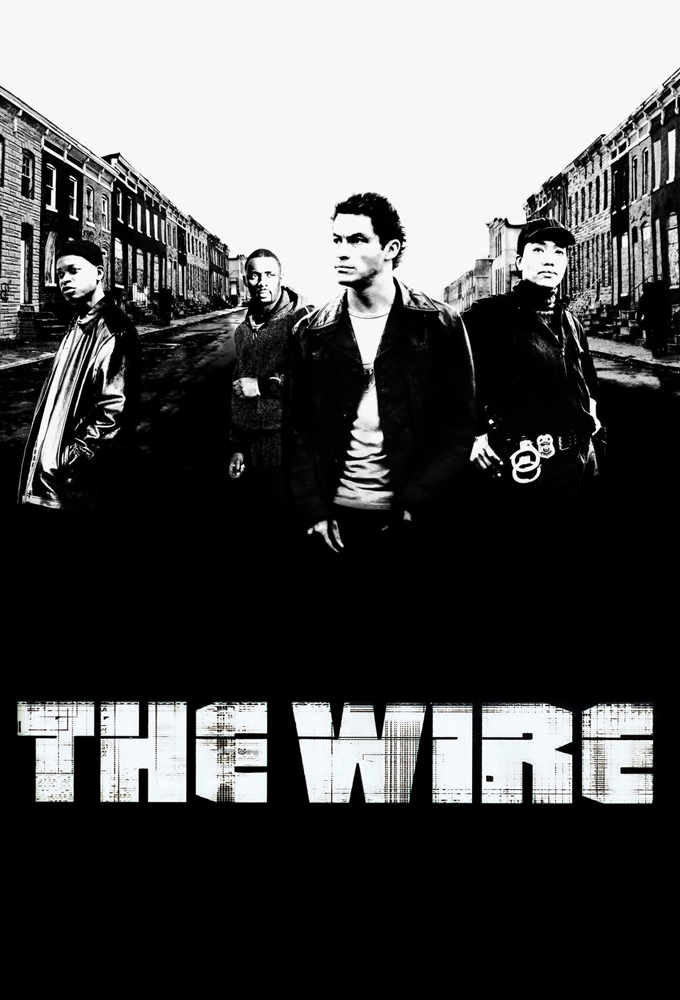
If you liked The Deuce:




Technical Details
- Network: HBO
- Seasons: 3
- Years: 2017 - 2019
- Genre: Drama
- Rating: TV-MA