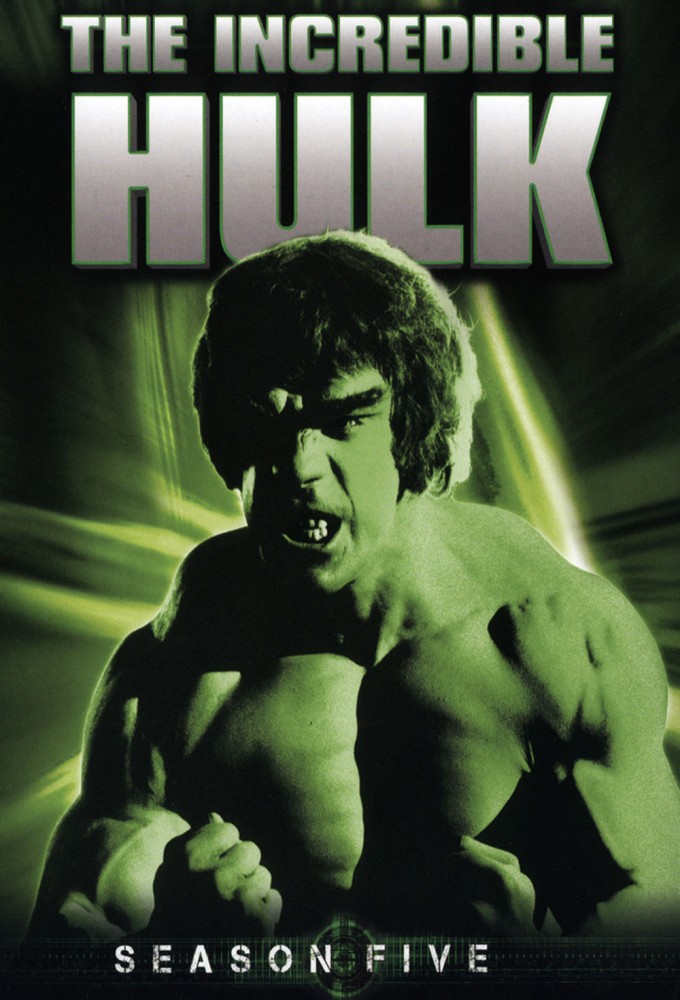

Why Watch
"Witness the tragic, wanderer saga conclude as David Banner makes his final bids for an elusive cure."






AI Critic Analysis
Series Deep Dive:
In its truncated final outing, The Incredible Hulk leans hard into quiet desperation. Bill Bixby grounds the legendary comic transformation with profound sorrow, turning an iconic Marvel fugitive story into an enduring character study. Rather than bombastic spectacle, Season 5 delivers a poignant farewell to David Banner's nomadic struggle, cementing Lou Ferrigno's monstrous alter ego as a timeless tragedy of television history.
Season: 5
| Watched? | # | Air Date | Episode Name |
|---|---|---|---|
| E1 | Oct 02, 1981 | The Phenom | |
| E2 | Oct 09, 1981 | Two Godmothers | |
| E3 | Oct 16, 1981 | Veteran | |
| E4 | Nov 06, 1981 | Sanctuary | |
| E5 | Nov 13, 1981 | Triangle | |
| E6 | May 05, 1982 | Slaves | |
| E7 | May 12, 1982 | A Minor Problem |
Series Legacy & Historical Archive
Franchise Status: Legacy / Ended
The Incredible Hulk remains a definitive pillar of superhero television, having concluded its influential run on CBS. Beyond the spectacle of green skin and shredded shirts, the series introduced a profound sense of pathos and psychological depth to the comic book genre that was unprecedented for its time. By grounding the narrative in David Banner's tragic search for a cure, the show transformed a monster story into a poignant exploration of the human condition and the burden of internal rage. This formula moved the medium away from campy tropes, proving that serialized drama could successfully integrate fantastical elements while maintaining a serious, character-driven heart.
The show's lasting cultural DNA is most evident in its iconic Lonely Man theme and the recurring trope of the wandering hero, which continues to influence modern storytelling in both film and television. Fans return to the series today because it offers a timeless, grounded perspective on heroism that relies more on emotional stakes than digital effects. Its legacy as a rewatch staple is cemented by Bill Bixby's nuanced performance, which provides a relatable anchor for audiences who see their own struggles reflected in Banner's constant battle for self-control. It remains a masterclass in how to adapt a larger-than-life character into a meaningful, intimate television experience.
If you liked The Incredible Hulk:







Technical Details
- Network: CBS
- Seasons: 5
- Years: 1978 - 1982
- Genre: Action, Adventure, Drama, Science Fiction
- Rating: TV-PG