
Why Watch
"Sublime gothic parody meets mid-century suburban sitcom charm, delivering timeless laughs through brilliant monster tropes and physical comedy."










AI Critic Analysis
Series Deep Dive:
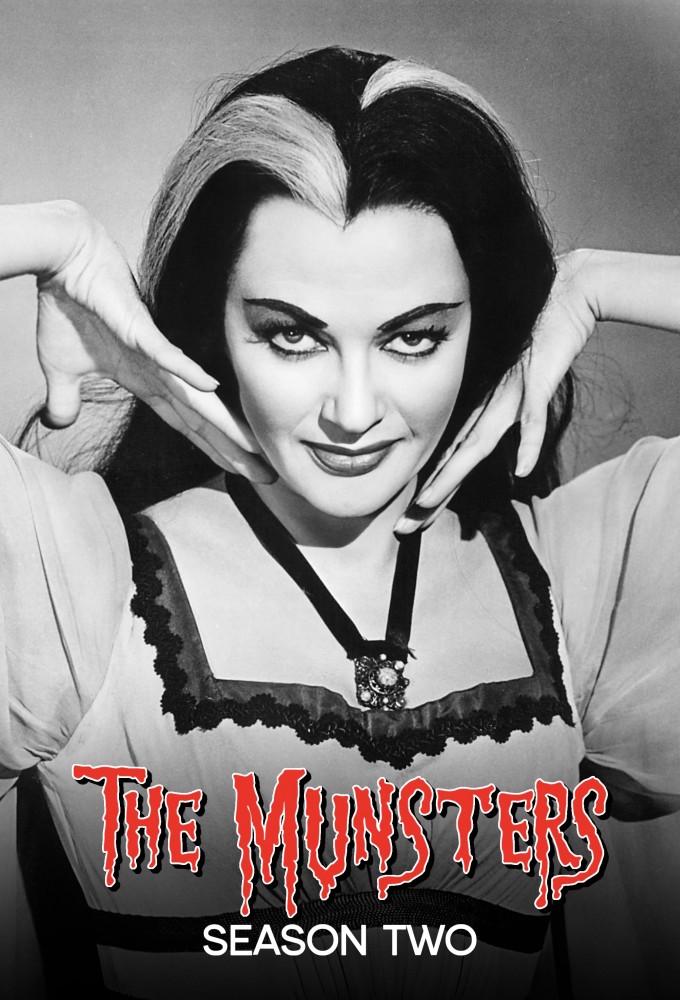
A cornerstone of 1960s television, The Munsters achieved its comedic peak during Season 2 on CBS. Blending Universal monster aesthetics with nuclear family tropes, Fred Gwynne and Al Lewis delivered legendary comic timing. The series subverted classic suburban domesticity, framing this benign clan as oblivious outsiders. Its final run remains an essential chapter of classic sitcom history, sustained by indelible character designs, sharp slapstick, and enduring cultural appeal.
Season: 2
| Watched? | # | Air Date | Episode Name |
|---|---|---|---|
| E1 | Sep 16, 1965 | Herman's Child Psychology | |
| E2 | Sep 23, 1965 | Herman, the Master Spy | |
| E3 | Sep 30, 1965 | Bronco-Bustin' Munster | |
| E4 | Oct 07, 1965 | Herman Munster, Shutter Bug | |
| E5 | Oct 14, 1965 | Herman, Coach of the Year | |
| E6 | Oct 21, 1965 | Happy 100th Anniversary | |
| E7 | Oct 28, 1965 | Operation Herman | |
| E8 | Nov 04, 1965 | Lily's Star Boarder | |
| E9 | Nov 11, 1965 | John Doe Munster | |
| E10 | Nov 18, 1965 | A Man for Marilyn | |
| E11 | Nov 25, 1965 | Herman's Driving Test | |
| E12 | Dec 02, 1965 | Will Success Spoil Herman Munster? | |
| E13 | Dec 09, 1965 | Underground Munster | |
| E14 | Dec 23, 1965 | The Treasure of Mockingbird Heights | |
| E15 | Dec 30, 1965 | Herman's Peace Offensive | |
| E16 | Jan 06, 1966 | Herman Picks a Winner | |
| E17 | Jan 13, 1966 | Just Another Pretty Face | |
| E18 | Jan 20, 1966 | Big Heap Herman | |
| E19 | Jan 27, 1966 | The Most Beautiful Ghoul in the World | |
| E20 | Feb 03, 1966 | Grandpa's Lost Wife | |
| E21 | Feb 10, 1966 | The Fregosi Emerald | |
| E22 | Feb 17, 1966 | Zombo | |
| E23 | Feb 24, 1966 | Cyrano de Munster | |
| E24 | Mar 03, 1966 | The Musician | |
| E25 | Mar 10, 1966 | Prehistoric Munster | |
| E26 | Mar 17, 1966 | A Visit from Johann | |
| E27 | Mar 24, 1966 | Eddie's Brother | |
| E28 | Mar 31, 1966 | Herman, the Tire-Kicker | |
| E29 | Apr 07, 1966 | A House Divided | |
| E30 | Apr 14, 1966 | Herman's Sorority Caper | |
| E31 | Apr 21, 1966 | Herman's Lawsuit | |
| E32 | May 12, 1966 | A Visit from the Teacher |
Series Legacy & Historical Archive
Franchise Status: Legacy Series / Cult Classic
The Munsters remains a definitive pillar of gothic sitcom television, having concluded its influential run on CBS. This 1960s classic masterfully blended Universal Monster aesthetics with the structure of a traditional family comedy, creating a unique visual language that challenged the era's suburban norms. By presenting a family of monsters who viewed themselves as perfectly ordinary, the show offered a satirical look at mid-century American life while championing themes of acceptance and unconditional familial love. Its enduring appeal lies in this inversion of the outsider trope, where the frightening characters are actually the most kind-hearted people on the block.
The series continues to be a rewatch staple because of its high-quality production design and the timeless chemistry of its ensemble cast. From the iconic 1313 Mockingbird Lane set to the intricate makeup work that honored the classic horror films of the 1930s, the program possesses a distinct atmosphere that modern television rarely replicates. Fans return to the show not just for the slapstick humor and Fred Gwynne's legendary performance as Herman Munster, but for the comforting sense of nostalgia it provides. Its legacy is cemented by its ability to remain family-friendly while maintaining a subversive edge that resonates with every new generation of viewers.
If you liked The Munsters:





Technical Details
- Network: CBS
- Seasons: 2
- Years: 1964 - 1966
- Genre: Comedy, Drama, Family, Fantasy, Horror
- Rating: TV-G