
Why Watch
"Experience classic science fiction that mastered psychological horror, cold war dread, and groundbreaking practical monster effects."











AI Critic Analysis
Series Deep Dive:
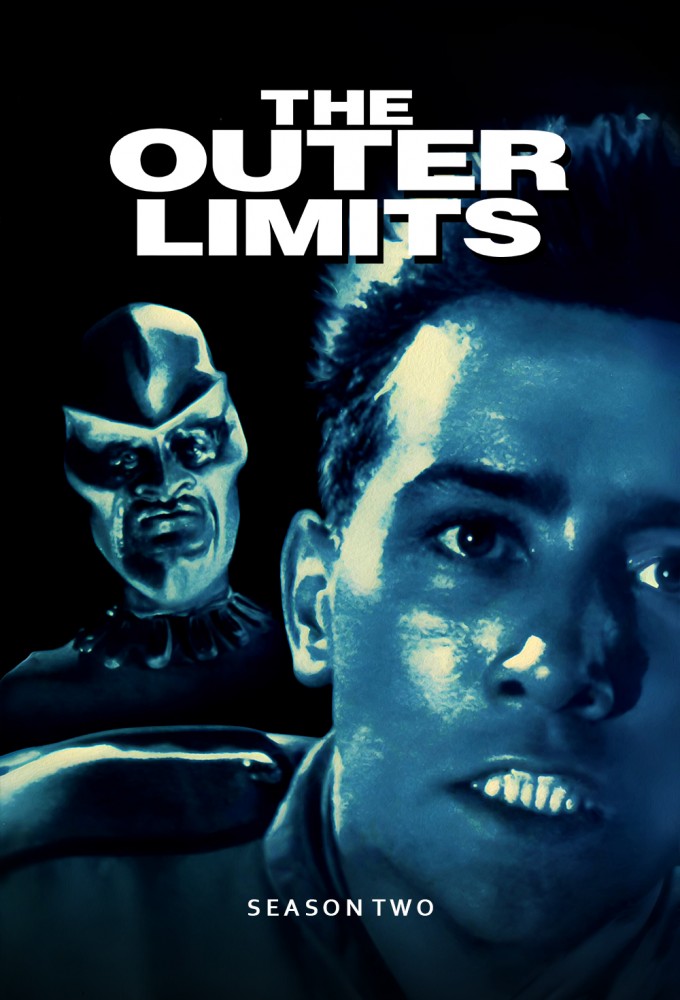
A cornerstone of speculative television, The Outer Limits delivered thought-provoking allegories cloaked in chilling creature features. Under the vision of Leslie Stevens and Joseph Stefano, Season 2 doubled down on literary ambition and existential paranoia with seminal episodes like Demon with a Glass Hand. Decades later, its moody black-and-white cinematography and moral complexity remain an unmatched benchmark for vintage genre anthologies.
Season: 2
| Watched? | # | Air Date | Episode Name |
|---|---|---|---|
| E1 | Sep 19, 1964 | Soldier | |
| E2 | Sep 26, 1964 | Cold Hands, Warm Heart | |
| E3 | Oct 03, 1964 | Behold Eck! | |
| E4 | Oct 10, 1964 | Expanding Human | |
| E5 | Oct 17, 1964 | Demon with a Glass Hand | |
| E6 | Oct 24, 1964 | Cry of Silence | |
| E7 | Oct 31, 1964 | The Invisible Enemy | |
| E8 | Nov 07, 1964 | Wolf 359 | |
| E9 | Nov 14, 1964 | I, Robot | |
| E10 | Nov 21, 1964 | The Inheritors Part I | |
| E11 | Nov 28, 1964 | The Inheritors Part II | |
| E12 | Dec 05, 1964 | Keeper of the Purple Twilight | |
| E13 | Dec 19, 1964 | The Duplicate Man | |
| E14 | Dec 26, 1964 | Counterweight | |
| E15 | Jan 02, 1965 | The Brain of Colonel Barham | |
| E16 | Jan 09, 1965 | The Premonition | |
| E17 | Jan 16, 1965 | The Probe |
Series Legacy & Historical Archive
Franchise Status: Classic Anthology / Concluded
The Outer Limits remains a definitive pillar of science fiction television, having concluded its influential run on ABC. Unlike its contemporary peers, this anthology series prioritized a gritty, cinematic visual style that leaned heavily into film noir aesthetics and existential dread. By focusing on the intersection of human morality and the unknown, it established a template for speculative storytelling that pushed beyond mere space opera tropes. The show's commitment to high-concept monsters served as a vessel for exploring Cold War anxieties and the ethical boundaries of scientific advancement, ensuring its place as a cornerstone of the genre.
Fans return to the series decades later because of its unique atmospheric tension and the iconic Control Voice that framed each episode's philosophical journey. Its legacy persists through its direct influence on subsequent masters of the craft, including Gene Roddenberry and modern anthology creators who mirror its balance of horror and wonder. The program remains a rewatch staple because its questions about the nature of reality and the human condition are as relevant today as they were during its original broadcast, proving that the control of our television sets was always in capable hands.
If you liked The Outer Limits:





Technical Details
- Network: ABC (US)
- Seasons: 2
- Years: 1963 - 1965
- Genre: Drama, Fantasy, Horror, Mystery, Science Fiction, Suspense, Thriller
- Rating: TV-PG