

Why Watch
"Witness World War II's brutal Pacific theater through an unflinching, intimate portrayal of frontline psychological survival."







AI Critic Analysis
Series Deep Dive:
Executive producers Steven Spielberg and Tom Hanks deliver The Pacific, a relentless exploration of wartime trauma. Tracing the interconnected journeys of three U.S. Marines across Guadalcanal, Peleliu, and Okinawa, the miniseries rejects romanticized heroism in favor of raw historical realism. Grounded by exceptional production design and poignant performances, this HBO landmark stands as an uncompromising chronicle of combat exhaustion and post-war alienation.
Season: 1
| Watched? | # | Air Date | Episode Name |
|---|---|---|---|
| E1 | Mar 14, 2010 | Part One | |
| E2 | Mar 21, 2010 | Part Two | |
| E3 | Mar 28, 2010 | Part Three | |
| E4 | Apr 04, 2010 | Part Four | |
| E5 | Apr 11, 2010 | Part Five | |
| E6 | Apr 18, 2010 | Part Six | |
| E7 | Apr 25, 2010 | Part Seven | |
| E8 | May 02, 2010 | Part Eight | |
| E9 | May 09, 2010 | Part Nine | |
| E10 | May 16, 2010 | Part Ten |
Production Note - Limited Series
Production Type: limited series
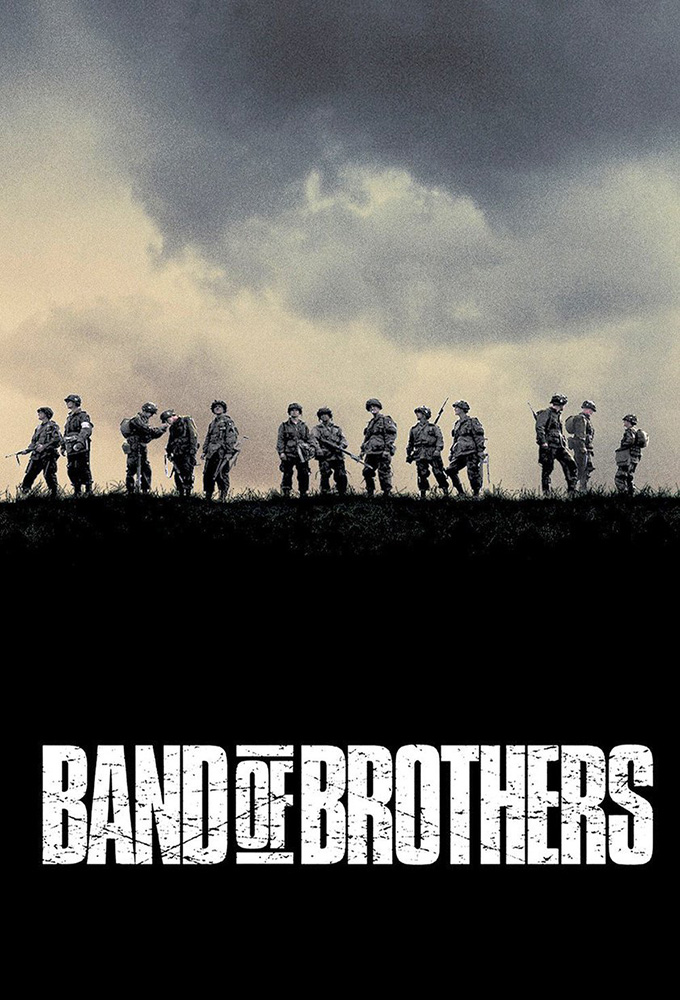
The Pacific is a standalone limited series designed as a completed, finite historical narrative. This massive HBO production serves as a spiritual successor to Band of Brothers, shifting focus from the European Theater to the brutal island-hopping campaigns of the United States Marine Corps. By grounding the narrative in the real-life memoirs of Robert Leckie and Eugene Sledge, the producers ensured that the story remained a strictly non-recurring event. The immense scale of the project, which involved thousands of extras and extensive location shooting in Australia, was intended to provide a definitive and exhaustive look at the emotional and physical toll of the war in the Pacific.
The decision to frame the series as a finite work stems from its commitment to historical accuracy and the natural conclusion of the conflict it depicts. Because the series follows specific individuals through the end of World War II and their subsequent return to civilian life, there was no structural or narrative room for additional seasons. Every aspect of the production, from the high-budget set pieces to the detailed character arcs, was meticulously planned to culminate in the tenth and final episode. This approach allowed the creators to maintain a high level of cinematic quality while honoring the legacy of the veterans without the need for speculative continuation or serialized expansion.
If you liked The Pacific:





Technical Details
- Network: HBO
- Seasons: 2
- Years: 2010 - 2010
- Genre: Action, Adventure, Drama, History, Mini-Series, War
- Rating: TV-MA