

Why Watch
"Delve into chilling paranormal investigations driven by compelling psychological mystery and classic vintage supernatural television storytelling."
AI Critic Analysis
Series Deep Dive:
A cornerstone of early supernatural television, The Sixth Sense delivers an eerie blend of psychological intrigue and unexplained phenomena. Driven by Gary Collins as parapsychologist Dr. Michael Rhodes, the second season sharpens its investigative focus into spectral encounters and haunted minds. Though the vintage ABC series concluded decades ago, its retro atmospheric suspense remains an evocative snapshot of classic 1970s occult detective drama.
Season: 2
| Watched? | # | Air Date | Episode Name |
|---|---|---|---|
| E1 | Sep 23, 1972 | Coffin, Coffin, in the Sky (aka: Flying Sepulcher of Death) | |
| E2 | Sep 30, 1972 | Dear Joan: We're Going to Scare You to Death | |
| E3 | Oct 07, 1972 | Witness Within | |
| E4 | Oct 14, 1972 | With Affection, Jack the Ripper | |
| E5 | Oct 28, 1972 | Once Upon a Chilling | |
| E6 | Nov 04, 1972 | Through a Flame Darkly | |
| E7 | Nov 11, 1972 | I Did Not Mean to Slay Thee | |
| E8 | Nov 25, 1972 | And Scream by the Light of the Moon, the Moon (aka: Candle, Candle Burning Bright) | |
| E9 | Dec 02, 1972 | If I Should Die Before I Wake | |
| E10 | Dec 09, 1972 | Five Widows Weeping | |
| E11 | Dec 16, 1972 | Gallows in the Wind | |
| E12 | Dec 23, 1972 | The Eyes That Wouldn't Die |
Series Legacy & Historical Archive
Franchise Status: The series remains a standalone vintage property, though its influence persists through the Night Gallery syndication package and occasional rumors of a modern supernatural anthology revival.
The Sixth Sense remains a definitive pillar of supernatural television, having concluded its influential run on ABC. Gary Collins provided a grounded anchor to the series as Dr. Michael Rhodes, a character who navigated the boundary between psychological science and the paranormal long before modern equivalents. The show distinguished itself by treating extrasensory perception with a level of gravity that transcended typical horror tropes of the early 1970s.
The cultural DNA of the series is most visible in its contribution to the anthology format and its later integration into Rod Serling's Night Gallery syndication. Fans return to the show for its atmospheric tension and its unique ability to capture the era's fascination with the unexplained. It stands as a sophisticated precursor to the investigative supernatural dramas that would dominate the airwaves in later decades.
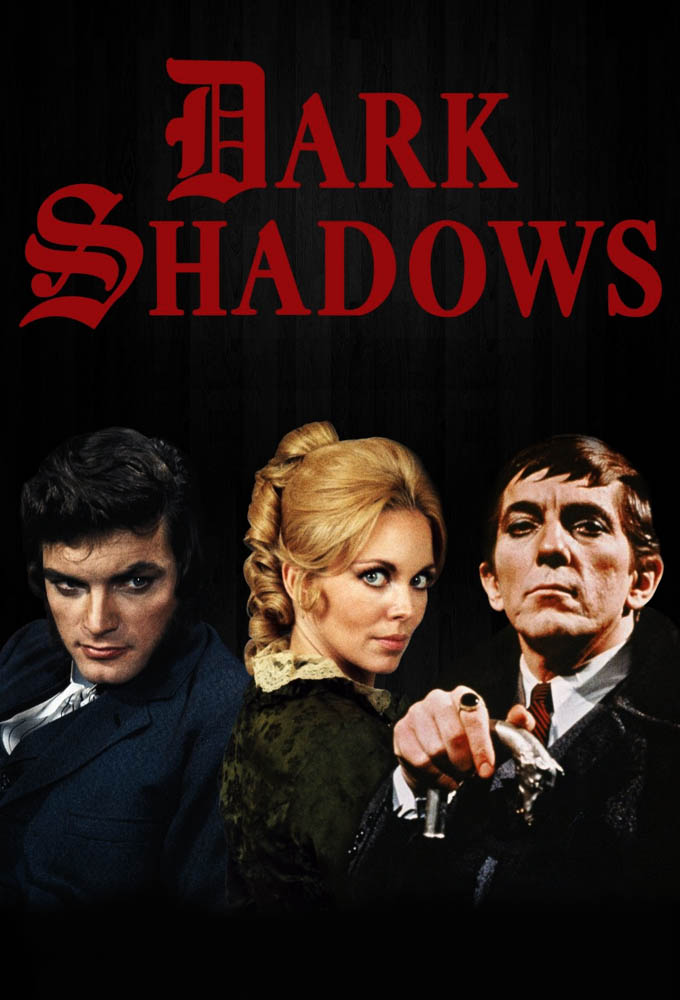
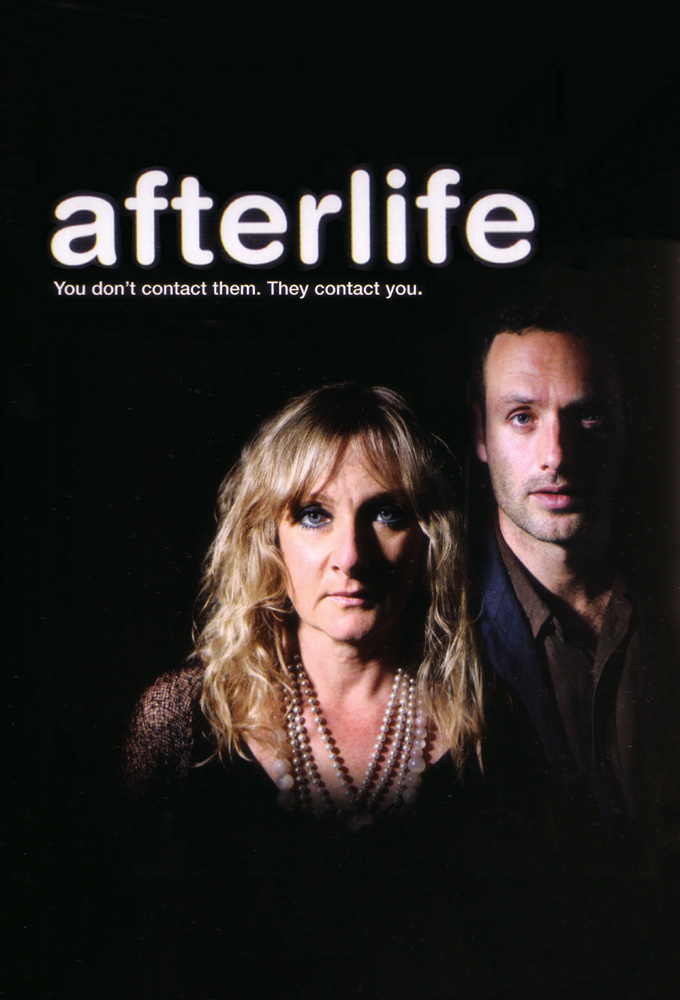
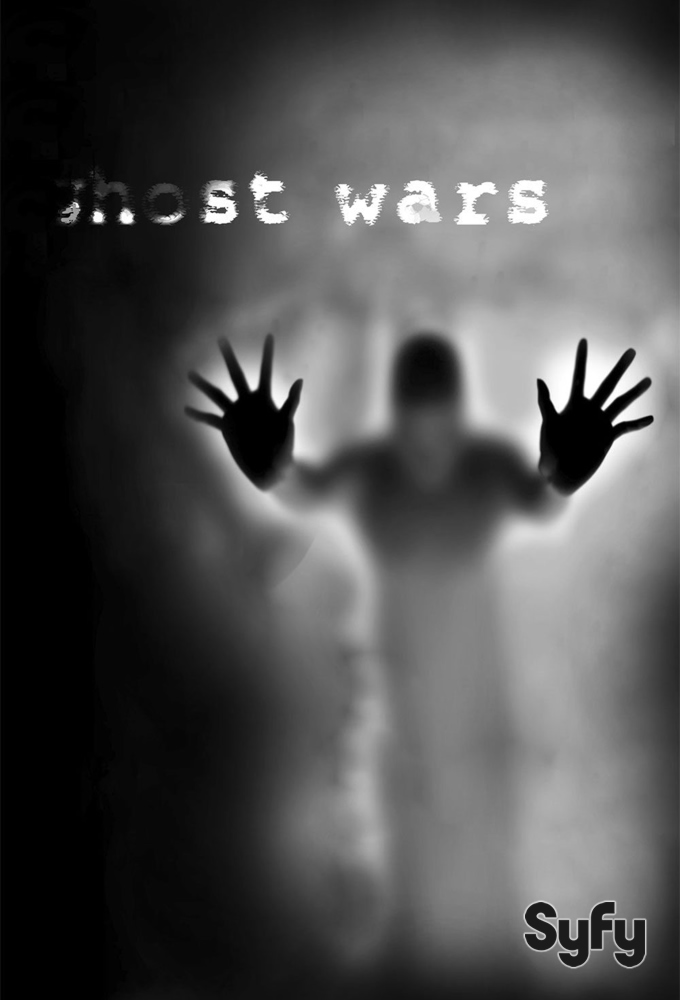
If you liked The Sixth Sense:




Technical Details
- Network: ABC (US)
- Seasons: 2
- Years: 1972 - 1972
- Genre: Drama, Fantasy, Mystery, Science Fiction, Thriller