

Why Watch
"Witness the groundbreaking masterwork that redefined modern television drama through brilliant mob politics and unforgettable psychological depth."







AI Critic Analysis
Series Deep Dive:
David Chase redefined prestige television with The Sopranos, anchoring an operatic mob chronicle in mundane suburban angst and psychiatric inquiry. Driven by James Gandolfini's towering portrayal of Tony Soprano, Season 6 brings the iconic crime saga to its uncompromising conclusion. Rich with existential dread and pitch-black humor, this definitive final run dismantles American mythologies, cementing the series as an indelible, gold-standard achievement in scripted television history.
Season: 6
| Watched? | # | Air Date | Episode Name |
|---|---|---|---|
| E1 | Mar 12, 2006 | Members Only | |
| E2 | Mar 19, 2006 | Join the Club | |
| E3 | Mar 26, 2006 | Mayham | |
| E4 | Apr 02, 2006 | The Fleshy Part of the Thigh | |
| E5 | Apr 09, 2006 | Mr. & Mrs. John Sacrimoni Request... | |
| E6 | Apr 16, 2006 | Live Free or Die | |
| E7 | Apr 23, 2006 | Luxury Lounge | |
| E8 | Apr 30, 2006 | Johnny Cakes | |
| E9 | May 07, 2006 | The Ride | |
| E10 | May 14, 2006 | Moe n' Joe | |
| E11 | May 21, 2006 | Cold Stones | |
| E12 | Jun 04, 2006 | Kaisha | |
| E13 | Apr 08, 2007 | Soprano Home Movies | |
| E14 | Apr 15, 2007 | Stage 5 | |
| E15 | Apr 22, 2007 | Remember When | |
| E16 | Apr 29, 2007 | Chasing It | |
| E17 | May 06, 2007 | Walk Like a Man | |
| E18 | May 13, 2007 | Kennedy and Heidi | |
| E19 | May 20, 2007 | The Second Coming | |
| E20 | Jun 03, 2007 | The Blue Comet | |
| E21 | Jun 10, 2007 | Made in America |
Series Legacy & Historical Archive
Franchise Status: Legacy / Concluded (Extended via Prequel Film)
The Sopranos remains a definitive pillar of prestige crime drama television, having concluded its influential run on HBO. It shattered the traditional mold of the small-screen protagonist by introducing Tony Soprano, a complex antihero whose therapy sessions provided a psychological depth previously unseen in the genre. This shift toward character-driven storytelling paved the way for the Golden Age of Television, influencing nearly every major series that followed. By blending the mundane realities of suburban family life with the brutal violence of organized crime, the show created a unique tonal dissonance that continues to captivate audiences decades later.
The series remains a definitive rewatch staple because of its intricate layering and unresolved ambiguities that invite endless debate. Its exploration of existential dread, the decline of the American Dream, and the cyclical nature of trauma ensures that the narrative feels relevant regardless of the era. Fans return to the world of North Jersey not just for the suspense, but for the dark humor and the nuanced performances that reveal new details with each viewing. As a cultural artifact, it stands as a masterclass in subverting expectations, maintaining a legacy that is as much about the silence of its final frame as it is about the noise of its most iconic moments.
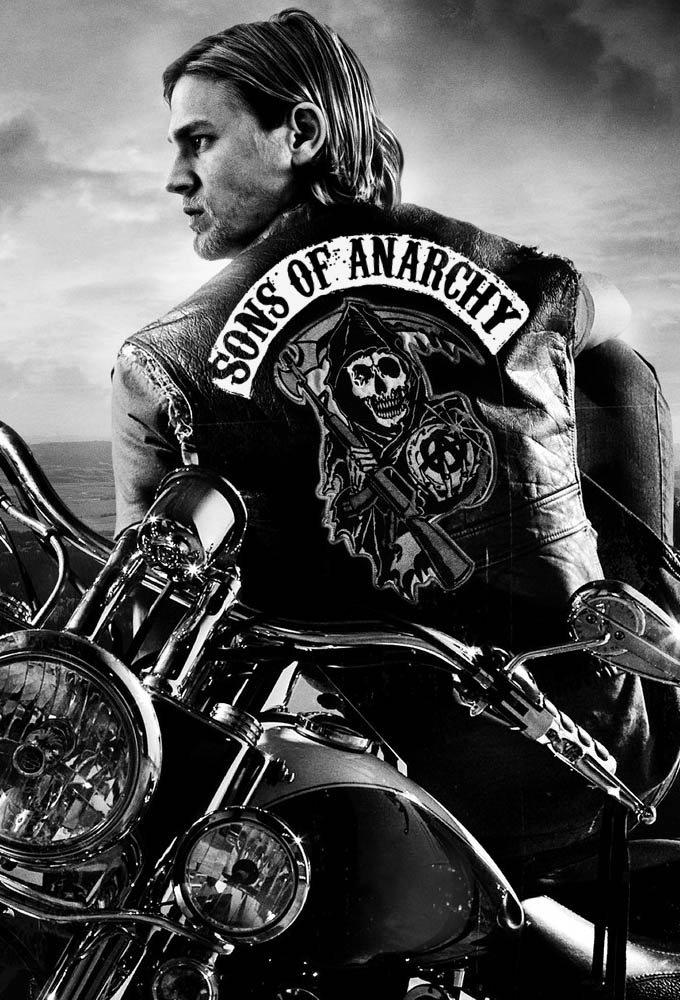
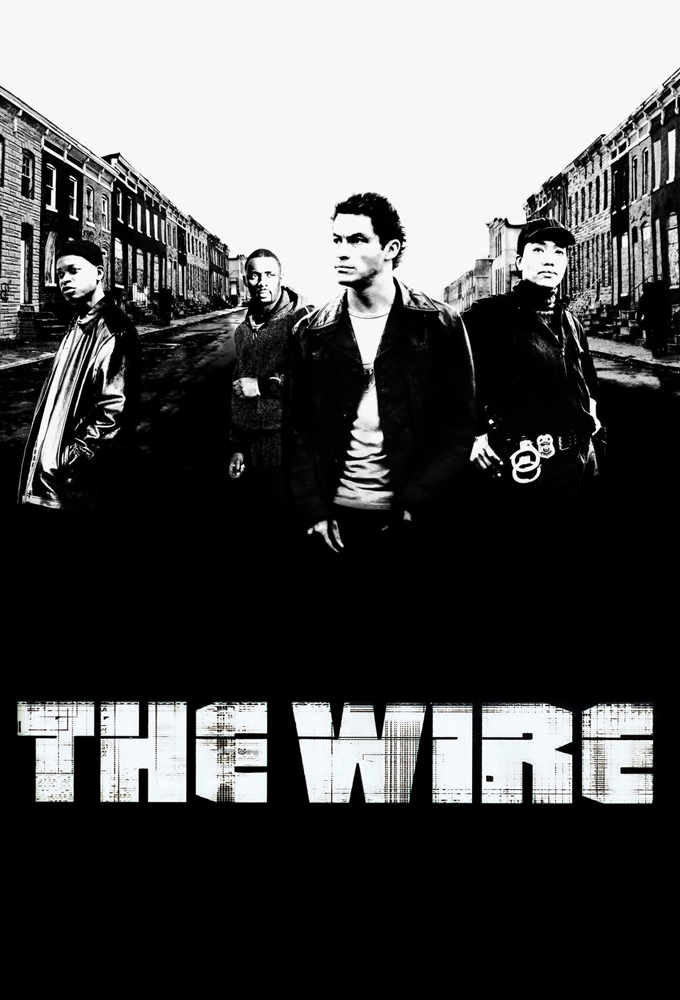
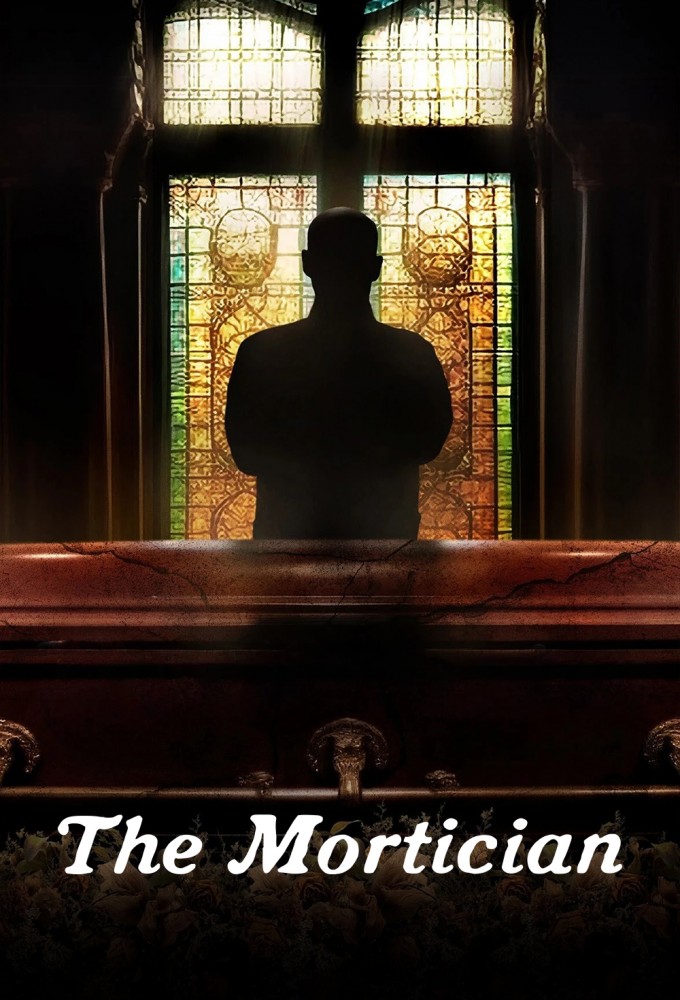
If you liked The Sopranos:






Trailer
Technical Details
- Network: HBO
- Seasons: 6
- Years: 1999 - 2007
- Genre: Crime, Drama
- Rating: TV-MA