Wandering Son
-

-
Status:
Ended -
Season 1:
Ended on March 31, 2011 -
Watched: 0%
0 of 11 Episodes
I'm caught up!
Season: 1
| # | Air Date | Episode Name | Watched? |
|---|---|---|---|
| E1 | Jan 13, 2011 | ||
| E2 | Jan 20, 2011 | ||
| E3 | Jan 27, 2011 | ||
| E4 | Feb 03, 2011 | ||
| E5 | Feb 17, 2011 | ||
| E6 | Feb 24, 2011 | ||
| E7 | Mar 03, 2011 | ||
| E8 | Mar 10, 2011 | ||
| E9 | Mar 17, 2011 | ||
| E10 | Mar 24, 2011 | ||
| E11 | Mar 31, 2011 |
-
Why Watch:
"An essential study in how 21st-century animation transitioned toward nuanced gender representation and psychological realism."Series Analysis:
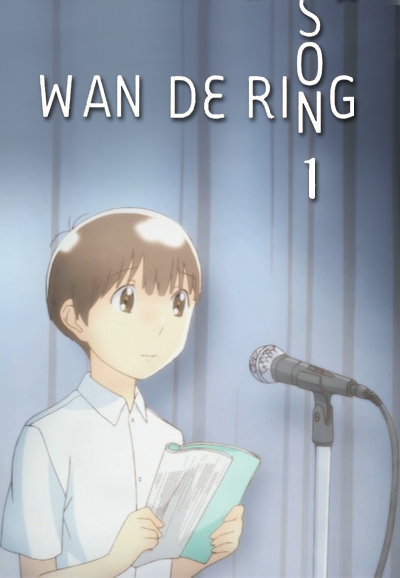
Wandering Son (Hōrō Musuko) remains a landmark in the history of Fuji TV’s Noitamina block. By focusing on the lives of transgender youth with quiet dignity, the series challenged the tropes often found in Japanese media. Its watercolor aesthetic provided a soft lens for a story that explored identity and the pressures of biological changes. The show's legacy is found in its refusal to sensationalize; instead, it offered a realistic look at the internal lives of Shuichi and Yoshino. Even now, it stands as a pioneer of empathetic storytelling that prioritizes character over caricature. While the 2011 run covered only a portion of the source material, its impact on representation is undeniable. Set a reminder for any news regarding potential revivals or future expansions of this story.Tone: Reflective, scholarly, and historically significant. Last Updated: March 2026
-
Network:
Fuji TV -
Seasons:
1 -
Years:
2011 - 2011 -
Genre:
Drama, Animation, Anime
