

Why Watch
"Masterful political maneuvering and razor-sharp dialogue redefine Tudor history through Thomas Cromwell's calculated, perilous ascent."
Tone: Cerebral, Austere Historical Drama









AI Critic Analysis
Series Deep Dive:
Peter Kosminsky concludes Hilary Mantel's landmark saga with uncompromising precision in Wolf Hall: The Mirror and the Light. Mark Rylance delivers a masterclass in quiet menace, capturing Cromwell's precarious survival opposite Damian Lewis's volatile Henry VIII. Driven by meticulous historical realism and candlelit tension, this definitive final chapter cements the series as an unmissable benchmark of modern British television drama.
Analysis Refined:March 2026
Scheduled next refinement: in 347 days
Season: 2
| Watched? | # | Air Date | Episode Name |
|---|---|---|---|
| E1 | Nov 10, 2024 | Wreckage | |
| E2 | Nov 17, 2024 | Obedience | |
| E3 | Nov 24, 2024 | Defiance | |
| E4 | Dec 01, 2024 | Jenneke | |
| E5 | Dec 08, 2024 | Mirror | |
| E6 | Dec 15, 2024 | Light |
Production Note - Limited Series
Production Type: Historical Miniseries
Wolf Hall is a standalone Historical Miniseries designed as a finite narrative. The production chronicles the rapid political ascent of Thomas Cromwell within the volatile Tudor court of King Henry VIII, concluding with the execution of Anne Boleyn.
Conceived specifically as an adaptation of the first two installments of Hilary Mantel’s literary series, the six-part drama delivered a self-contained story arc. While a companion sequel was produced years later for the final book, the initial series remains an accomplished, closed historical narrative.
Conceived specifically as an adaptation of the first two installments of Hilary Mantel’s literary series, the six-part drama delivered a self-contained story arc. While a companion sequel was produced years later for the final book, the initial series remains an accomplished, closed historical narrative.
Production Trivia: Adapted by Peter Straughan from Hilary Mantel's award-winning novels Wolf Hall and Bring Up the Bodies, directed by Peter Kosminsky for BBC Two and PBS.
Oracle Insights Refined:March 2026
Scheduled next refinement: in 517 days
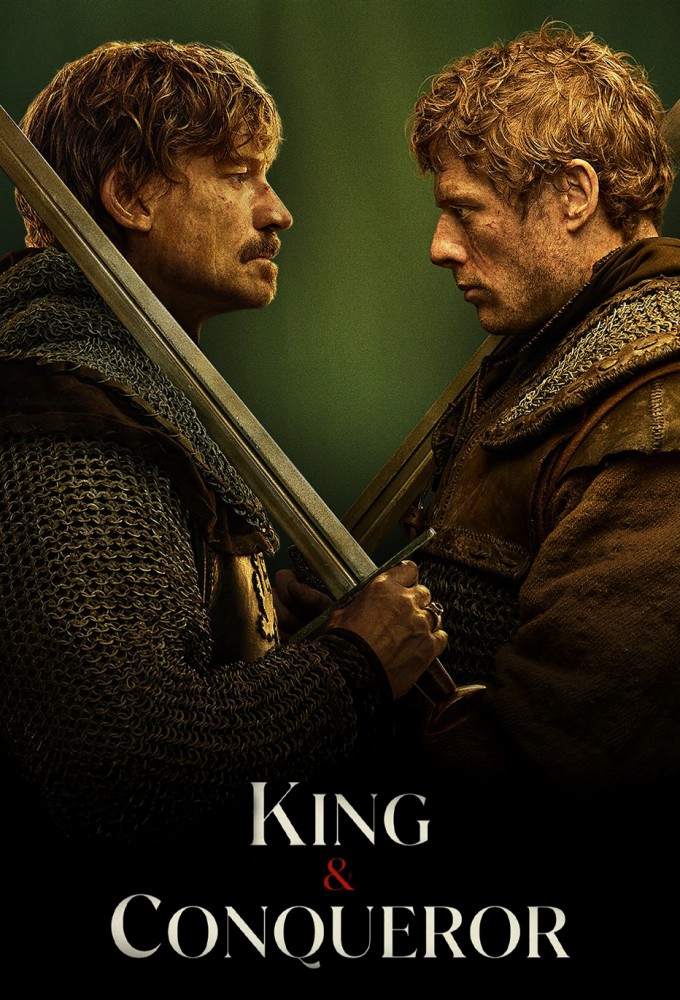
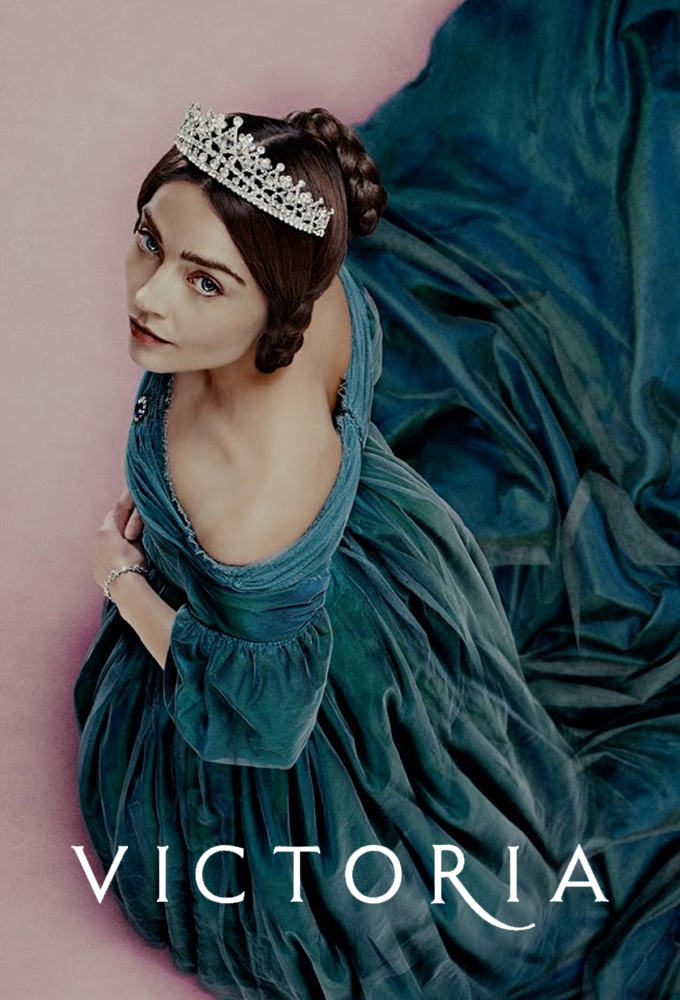
If you liked Wolf Hall:



Technical Details
- Network: BBC One
- Seasons: 2
- Years: 2015 - 2024
- Genre: Drama, History, Suspense
- Rating: TV-14
Frequently Asked Questions
Yes, a follow-up limited series titled Wolf Hall: The Mirror and the Light was commissioned by the BBC and Masterpiece PBS to conclude the story. While the original 2015 run was a finite six-part adaptation, this sequel adapts Hilary Mantel's final novel in the trilogy.
Wolf Hall is based on real historical events during the reign of King Henry VIII, specifically adapted from Hilary Mantel's award-winning historical fiction novels Wolf Hall and Bring Up the Bodies. The series dramatizes the rapid rise to power of Thomas Cromwell in the Tudor court.
The original Wolf Hall miniseries consists of six episodes. Each episode has a runtime of approximately sixty minutes, airing in early 2015 on BBC Two in the UK and subsequently on PBS in the United States.
The production was filmed on location across historic properties in England, avoiding purpose-built studio sets. Notable filming locations include Montacute House, Barrington Court, Lacock Abbey, Berkeley Castle, and Gloucester Cathedral.
Mark Rylance stars as Thomas Cromwell, alongside Damian Lewis as King Henry VIII and Claire Foy as Anne Boleyn. The supporting cast also includes Jonathan Pryce as Cardinal Wolsey and Anton Lesser as Thomas More.
Wolf Hall was commissioned and produced as a finite limited miniseries to cover the narrative of Hilary Mantel's first two published books. The production team intentionally waited until Mantel finished her third book before filming the concluding sequel years later.
FAQ Refined:March 2026
Scheduled next refinement: in 415 days