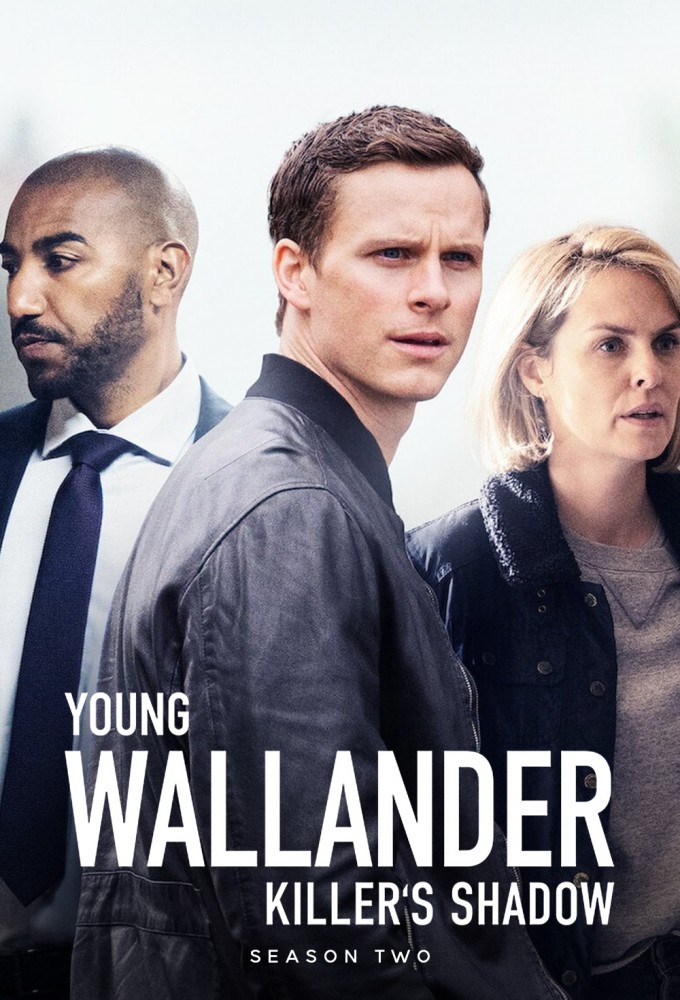
Young Wallander
-

- Ended
-
Season 2:
Ended on February 17, 2022 -
Watched: 0%
0 of 12 Episodes
I'm caught up!
Notification Preferences
Why Watch
"Follow the defining early cases of Henning Mankell's iconic detective in this dark, socially charged contemporary Malmö procedural."



AI Critic Analysis
Series Deep Dive:
Reimagining Henning Mankell's legendary detective as a rookie officer in modern Sweden, Young Wallander blends Nordic noir with pressing contemporary social tensions. Season 2, subtitled Killer's Shadow, pulls Kurt Wallander into a complex web of guilt and national reckoning following a hit-and-run incident. Adam Pålsson delivers a grounded performance, capturing the brooding idealism that defines the character's bleak cinematic evolution.
Season: 2
| Watched? | # | Air Date | Episode Name |
|---|---|---|---|
| E1 | Feb 17, 2022 | Episode 1 | |
| E2 | Feb 17, 2022 | Episode 2 | |
| E3 | Feb 17, 2022 | Episode 3 | |
| E4 | Feb 17, 2022 | Episode 4 | |
| E5 | Feb 17, 2022 | Episode 5 | |
| E6 | Feb 17, 2022 | Episode 6 |
Series Legacy & Historical Archive
Franchise Status: Concluded
Young Wallander remains a definitive pillar of Nordic Noir television, having concluded its influential run on Netflix. The series carved out a unique space in the crowded detective genre by modernizing Henning Mankell's legendary protagonist, placing him in the middle of contemporary social issues in Malmo. By focusing on the formative years of Kurt Wallander, the show offered a psychological blueprint for the cynical, weary inspector fans had known for decades. Its legacy lies in the bridge it built between traditional procedural storytelling and the gritty, atmospheric aesthetics of modern streaming dramas, ensuring its place as a crucial entry point for new fans of the franchise.
Fans continue to return to the series for its unflinching look at societal fractures and its dedication to character growth over simple plot resolution. Unlike many prequels that rely heavily on nostalgia, this iteration stood on its own merits by providing a visceral, often somber exploration of justice in a globalized world. The chemistry between Adam Palsson and the supporting cast provides a grounded emotional core that makes the two-season arc feel like a complete, self-contained tragedy. It remains a rewatch staple because it captures the specific anxiety of the modern era while honoring the timeless DNA of its literary source material.
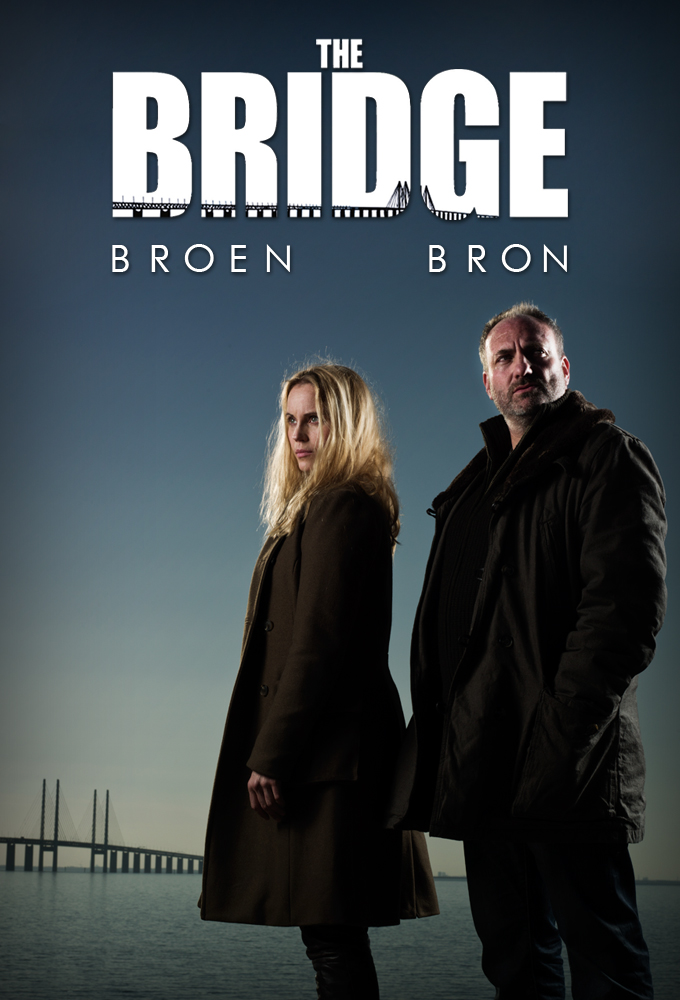
If you liked Young Wallander:




Technical Details
- Network: Netflix
- Seasons: 2
- Years: 2020 - 2022
- Genre: Crime, Drama, Mystery, Thriller
- Rating: TV-MA