
Why Watch
"Kayvan Novak brings unmatched prosthetic disguises and audacious improvisational humor to life in this sharp, boundary-pushing hidden-camera masterclass."
Tone: Irreverent, Satirical, Improvised Character Comedy
AI Critic Analysis
Series Deep Dive:
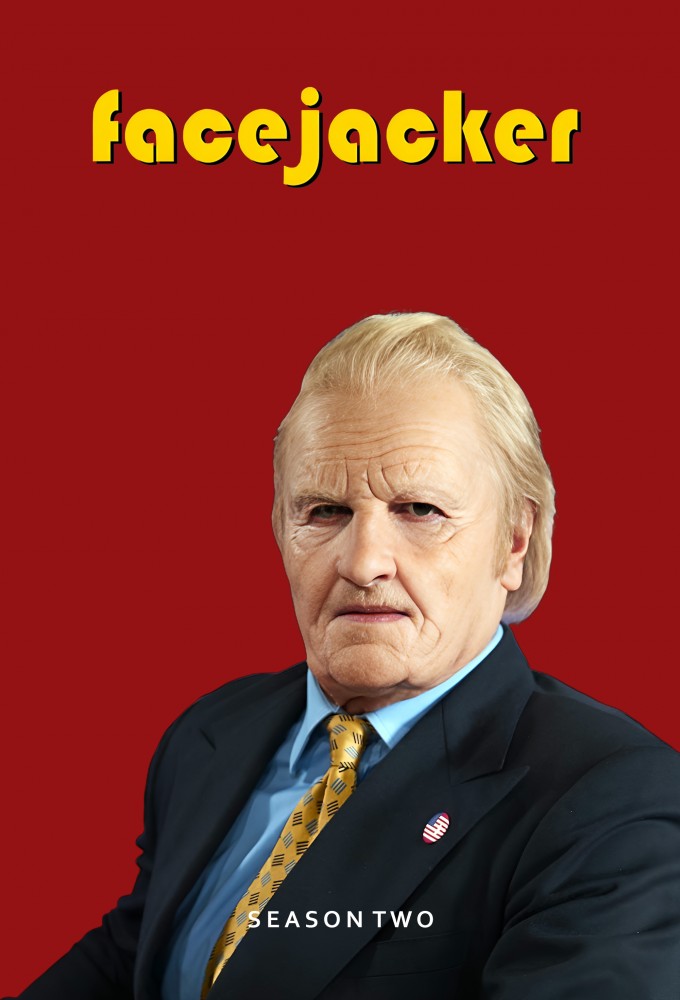
Building on the cult success of Fonejacker, Kayvan Novak elevates ambush comedy in Facejacker Season 2. Armed with silicone prosthetics and razor-sharp wit, Novak infiltrates real-world environments across Britain and America. Iconic personas like car salesman Terry Tibbs and scammer Augustus Kwembe push unsuspecting targets into delightfully absurd scenarios, making this Channel 4 series a benchmark for modern British character improvisation.
Analysis Refined:March 2026
Scheduled next refinement: in 422 days
Season: 2
| Watched? | # | Air Date | Episode Name |
|---|---|---|---|
| E1 | Mar 27, 2012 | Episode 1 | |
| E2 | Apr 03, 2012 | Episode 2 | |
| E3 | Apr 10, 2012 | Episode 3 | |
| E4 | Apr 17, 2012 | Episode 4 | |
| E5 | Apr 24, 2012 | Episode 5 | |
| E6 | May 01, 2012 | Episode 6 |
Series Legacy & Historical Archive
Franchise Status: Concluded Historical Archive
Facejacker remains a definitive pillar of television, having concluded its influential run on Channel 4. Created by Kayvan Novak, this audacious hidden-camera showcase redefined prosthetic character comedy across the early 2010s. By engineering absurd sociological collisions with unsuspecting members of the public, the series interrogated modern British etiquette, consumer culture, and bureaucracy. Novak's astonishing vocal dexterity and fearless physical transformations ensured memorable alter-egos like Terry Tibbs entered the pop-culture lexicon, securing the show's revered reputation as an uncompromising comedic tour de force.
Oracle Insights Refined:March 2026
Scheduled next refinement: in 481 days
If you liked Facejacker:


Technical Details
- Network: Channel 4
- Seasons: 2
- Years: 2010 - 2012
- Genre: Comedy
Frequently Asked Questions
Facejacker ended primarily because the characters became too recognizable to the public, making it difficult to perform pranks without being spotted. Creator Kayvan Novak also chose to move on to other creative ventures and film projects rather than continuing the series indefinitely.
There are two total seasons of Facejacker, which originally aired on Channel 4 from 2010 to 2012. Each season consists of six episodes, featuring a variety of prosthetic-based characters interacting with unsuspecting people.
There are currently no credible rumors or official plans for a Facejacker reboot or revival in the near future. While Kayvan Novak has expressed fondness for the characters, his commitment to the series What We Do in the Shadows remains his primary focus.
Facejacker is itself a spin-off of the original series Fonejacker, which focused exclusively on prank phone calls. Additionally, the popular character Terry Tibbs received a spin-off chat show pilot titled Verry Terry and several standalone specials.
Facejacker is primarily available for streaming on Channel 4's video-on-demand service in the United Kingdom. It can also be found on various digital platforms for purchase or through specific international streaming services that carry British comedy libraries.
While there were discussions and a script in development for a Facejacker feature film shortly after the second season, the project never entered production. The idea appears to be stalled indefinitely as the cast and crew have moved on to other major Hollywood and television roles.
FAQ Refined:March 2026
Scheduled next refinement: in 109 days