

Why Watch
"Delight in television's longest-running comedy, celebrating Yorkshire eccentricities and eternal adolescence with timeless British pastoral charm."








AI Critic Analysis
Series Deep Dive:
As television history's longest-running sitcom, Last of the Summer Wine concluded its thirty-one-season run by delivering unmatched pastoral comfort. Created by Roy Clarke, this gentle British comedy transformed the rolling Yorkshire countryside into a playground of perpetual youth for its aging protagonists. Season 31 serves as a fond farewell to legendary characters, proving that eccentric humor, runaway bathtubs, and village friendships remain thoroughly timeless television treasures.
Season: 31
| Watched? | # | Air Date | Episode Name |
|---|---|---|---|
| E1 | Jul 25, 2010 | Behind Every Bush There Is Not Necessarily a Howard | |
| E2 | Aug 01, 2010 | Happy Camping | |
| E3 | Aug 08, 2010 | The Rights of Man (Except for Howard) | |
| E4 | Aug 15, 2010 | Howard and the Great Outdoors | |
| E5 | Aug 22, 2010 | Look Whose Wheel's Come Off | |
| E6 | Aug 29, 2010 | How Not to Cry at Weddings |
Series Legacy & Historical Archive
Franchise Status: Concluded
Last of the Summer Wine remains a definitive pillar of British sitcom television, having concluded its influential run on the BBC. This series redefined the portrayal of aging on screen, moving away from stereotypes of frailty to present a whimsical and adventurous view of the third age. Set against the rolling hills of Holmfirth, the show captured a uniquely British sense of gentle rebellion and camaraderie that resonated across generations. Its formula of physical comedy paired with philosophical musings created a template for character-driven humor that relied on the chemistry of its leads rather than high-concept plot twists.
The enduring appeal of the program as a rewatch staple lies in its timeless pastoral setting and its rejection of cynical modern tropes. For many fans, the series serves as a comforting escape into a world where the biggest stakes involve a runaway bathtub or a misguided invention. By maintaining its core identity for thirty-one seasons, it established a profound sense of continuity and domestic heritage that few other productions can match. Its legacy is preserved through its depiction of a simpler life, ensuring its place as a cornerstone of cultural memory for international audiences.
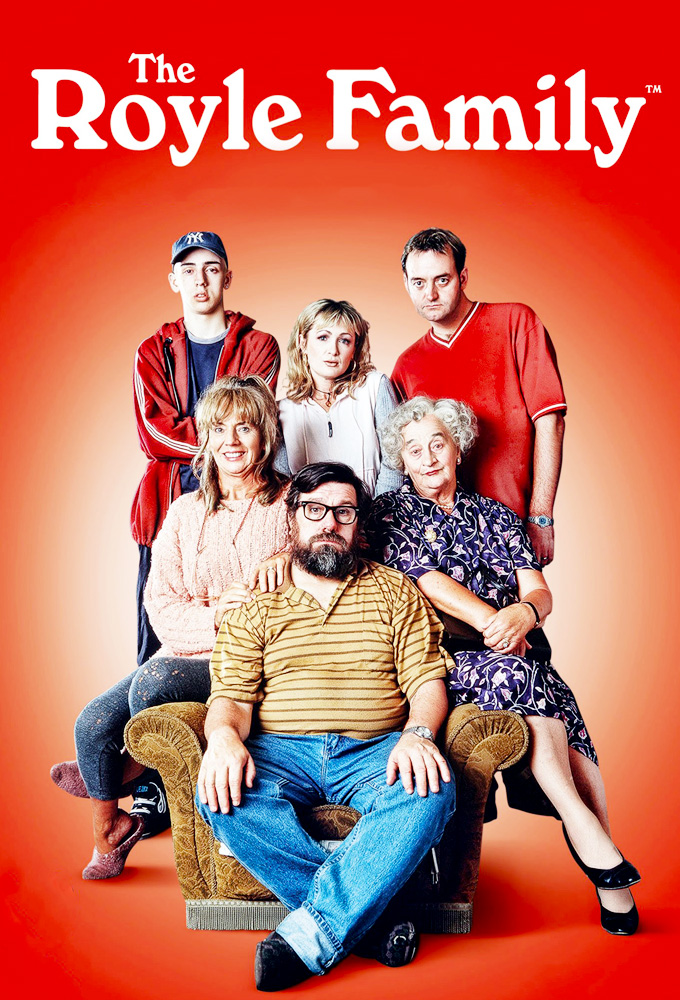
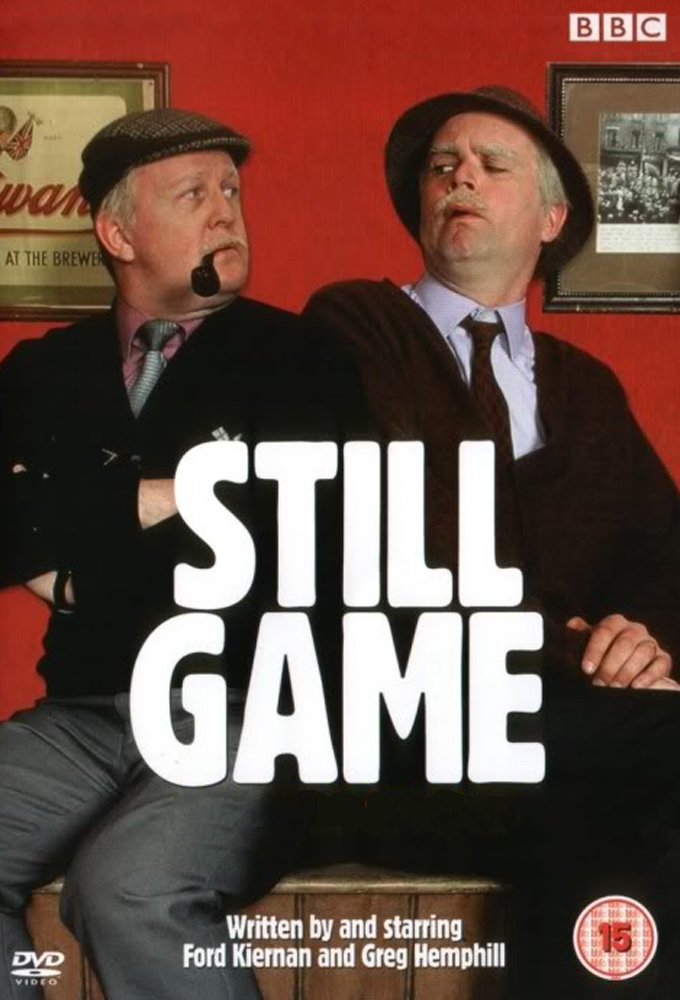
If you liked Last of the Summer Wine:





Technical Details
- Network: BBC One
- Seasons: 31
- Years: 1973 - 2010
- Genre: Comedy
- Rating: TV-PG