

Why Watch
"Neil Patrick Harris voices a moodier Peter Parker in this stylish, techno-scored CGI detour into college life."





AI Critic Analysis
Series Deep Dive:
Loosely following the 2002 film, Spider-Man: The New Animated Series blends groundbreaking cel-shaded CGI with a moody electronic soundtrack. Featuring Neil Patrick Harris as Peter Parker, this cult MTV run tackles darker college-era stakes, sharp relationship drama, and brutal villain encounters. Though short-lived, the series remains a fascinating, visually striking relic of early-2000s animation that offers a distinct alternative to standard Saturday morning fare for dedicated Marvel enthusiasts.
Season: 1
| Watched? | # | Air Date | Episode Name |
|---|---|---|---|
| E1 | Jul 11, 2003 | The Party | |
| E2 | Jul 11, 2003 | Sword of Shikata | |
| E3 | Jul 18, 2003 | Law of the Jungle | |
| E4 | Jul 18, 2003 | Keeping Secrets | |
| E5 | Jul 25, 2003 | Tight Squeeze | |
| E6 | Jul 25, 2003 | Head Over Heels | |
| E7 | Aug 01, 2003 | When Sparks Fly | |
| E8 | Aug 08, 2003 | Spider-Man Dis-Sabled | |
| E9 | Aug 15, 2003 | Royal Scam | |
| E10 | Aug 22, 2003 | Heroes and Villains | |
| E11 | Aug 29, 2003 | Flash Memory | |
| E12 | Sep 05, 2003 | Mind Games (1) | |
| E13 | Sep 12, 2003 | Mind Games (2) |
Series Legacy & Historical Archive
Franchise Status: Cult Classic / Concluded
Spider-Man: The New Animated Series remains a definitive pillar of superhero television, having concluded its influential run on MTV. Developed as a loose tie-in to the Sam Raimi film era, the series broke new ground by utilizing cel-shaded CGI animation to create a high-tech, urban aesthetic that mirrored the early 2000s zeitgeist. By casting Neil Patrick Harris as a more mature Peter Parker, the show successfully targeted an older demographic than previous iterations, blending traditional comic book action with the moody, electronic-infused atmosphere of its home network. Its cultural DNA persists as a bridge between the blockbuster cinematic era and the experimental digital frontiers of television animation.
Fans continue to revisit the series as a rewatch staple because of its unique tone and willingness to explore the darker, more tragic consequences of being a hero. Unlike the Saturday morning cartoons that preceded it, this version leaned into the complexities of Peter’s relationships with Mary Jane Watson and Harry Osborn, often ending episodes on bittersweet or unresolved notes. The striking visual style offers a nostalgic yet sophisticated look at New York City that remains distinct from any other Spider-Man adaptation. Its brief thirteen-episode run has only enhanced its status as a cult classic, representing a bold and experimental chapter in the character’s expansive media history.
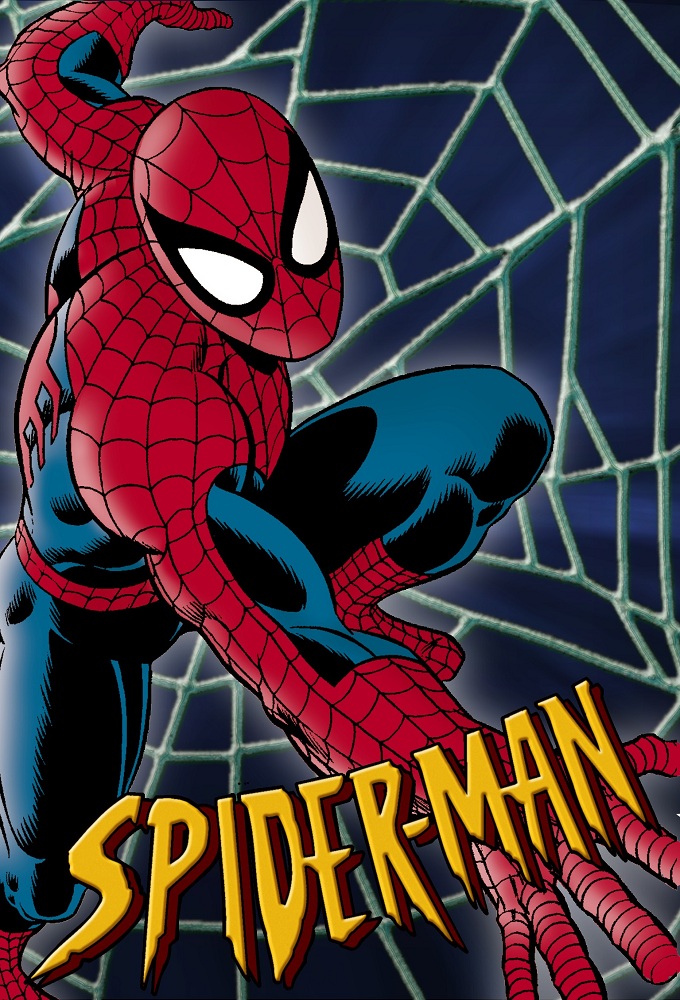
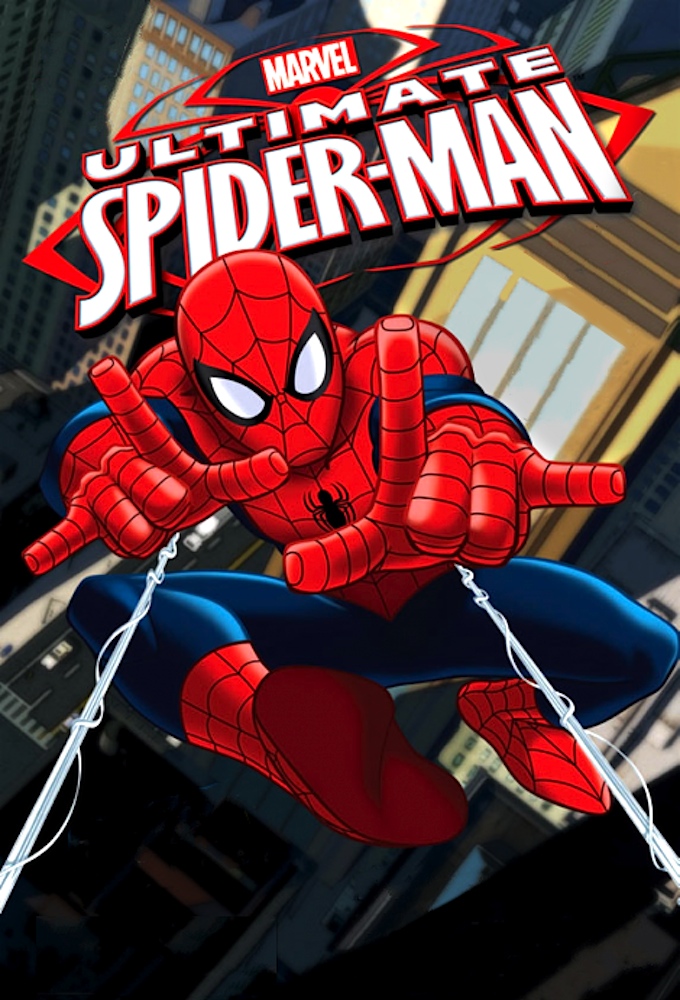
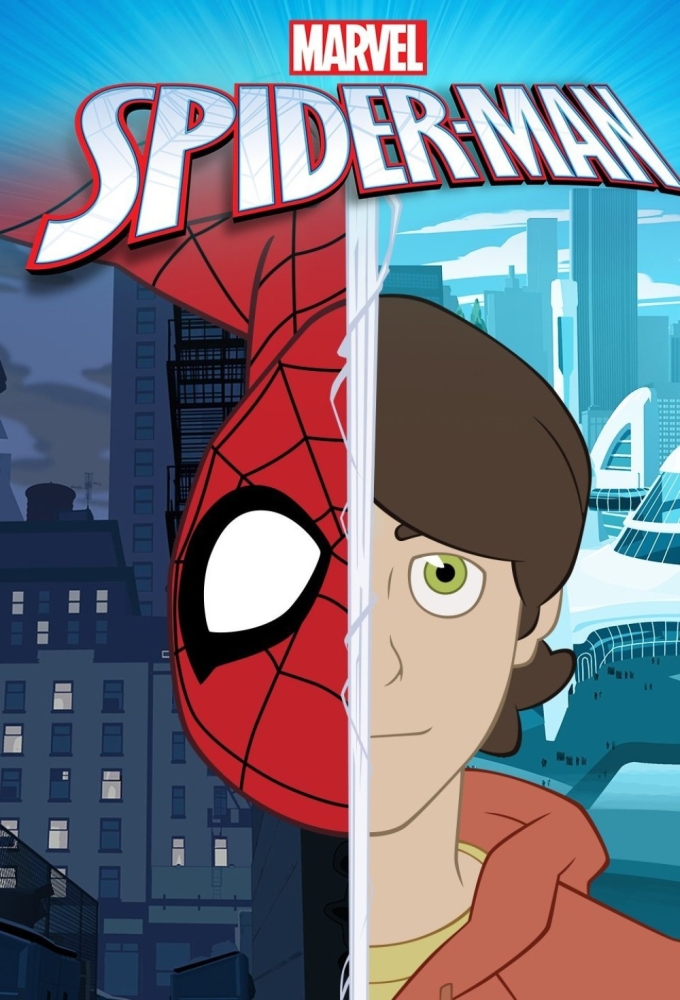
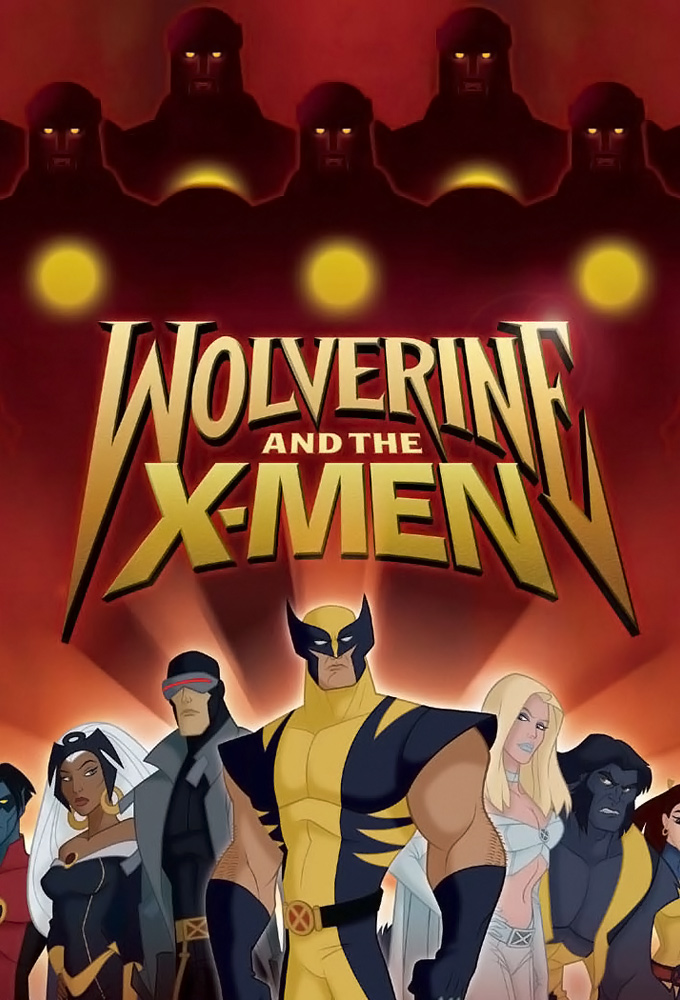
If you liked Spider-Man: The New Animated Series:




Technical Details
- Network: MTV
- Seasons: 1
- Years: 2003 - 2003
- Genre: Action, Adventure, Animation, Crime, Drama, Science Fiction, Thriller
- Rating: TV-PG