

Why Watch
"Witness humanity's pivotal early steps into deep space alongside Scott Bakula in this ambitious, canon-defining sci-fi prequel."










AI Critic Analysis
Series Deep Dive:
Serving as the foundational chapter of the franchise, Star Trek: Enterprise chronicles Starfleet's perilous early expeditions aboard the NX-01. Captain Jonathan Archer commands a fledgling human crew navigating tense galactic diplomacy without shields or established protocols. Season 4 delivered some of the series' finest multi-episode arcs, bridging classic canon with bold ambition. It remains an essential, retro-futuristic journey charting the tumultuous birth of the United Federation of Planets.
Season: 4
| Watched? | # | Air Date | Episode Name |
|---|---|---|---|
| E1 | Oct 08, 2004 | Storm Front (1) | |
| E2 | Oct 15, 2004 | Storm Front (2) | |
| E3 | Oct 22, 2004 | Home | |
| E4 | Oct 29, 2004 | Borderland (1) | |
| E5 | Nov 05, 2004 | Cold Station 12 (2) | |
| E6 | Nov 12, 2004 | The Augments (3) | |
| E7 | Nov 19, 2004 | The Forge (1) | |
| E8 | Nov 26, 2004 | Awakening (2) | |
| E9 | Dec 03, 2004 | Kir'Shara (3) | |
| E10 | Jan 14, 2005 | Daedalus | |
| E11 | Jan 21, 2005 | Observer Effect | |
| E12 | Jan 28, 2005 | Babel One (1) | |
| E13 | Feb 04, 2005 | United (2) | |
| E14 | Feb 11, 2005 | The Aenar (3) | |
| E15 | Feb 18, 2005 | Affliction (1) | |
| E16 | Feb 25, 2005 | Divergence (2) | |
| E17 | Apr 15, 2005 | Bound | |
| E18 | Apr 22, 2005 | In a Mirror, Darkly (1) | |
| E19 | Apr 29, 2005 | In a Mirror, Darkly (2) | |
| E20 | May 06, 2005 | Demons (1) | |
| E21 | May 13, 2005 | Terra Prime (2) | |
| E22 | May 13, 2005 | These Are the Voyages... |
Series Legacy & Historical Archive
Franchise Status: Concluded / Legacy Prequel
Star Trek: Enterprise remains a definitive pillar of Science Fiction television, having concluded its influential run on UPN. Acting as a prequel to the entire franchise, the series explored the raw and unpolished early days of deep space travel where the Prime Directive did not yet exist. Its legacy is rooted in the transition from contemporary humanity to the idealistic future of the Federation, grounding the grand space opera in a more relatable and industrial aesthetic. Fans often return to the show to witness the foundational moments of interstellar diplomacy and the evolving chemistry between Captain Archer and his pioneering crew.
The series has aged remarkably well as a rewatch staple due to its serialized storytelling in later seasons, particularly the high-stakes Xindi arc and the multi-episode historical arcs of the fourth season. By focusing on the vulnerabilities of the first Warp 5 vessel, it created a sense of tension and discovery that differed significantly from its predecessors. This underdog spirit, combined with the exploration of early Vulcan-Human relations, ensures its place as a critical bridge in the Star Trek timeline that continues to attract new viewers and long-time enthusiasts alike.
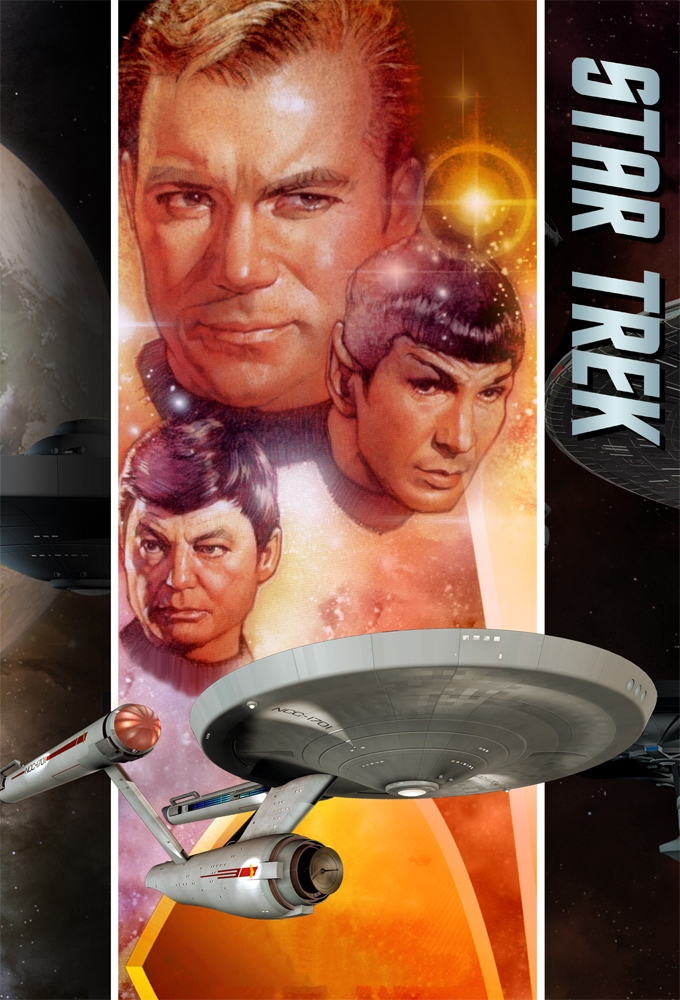
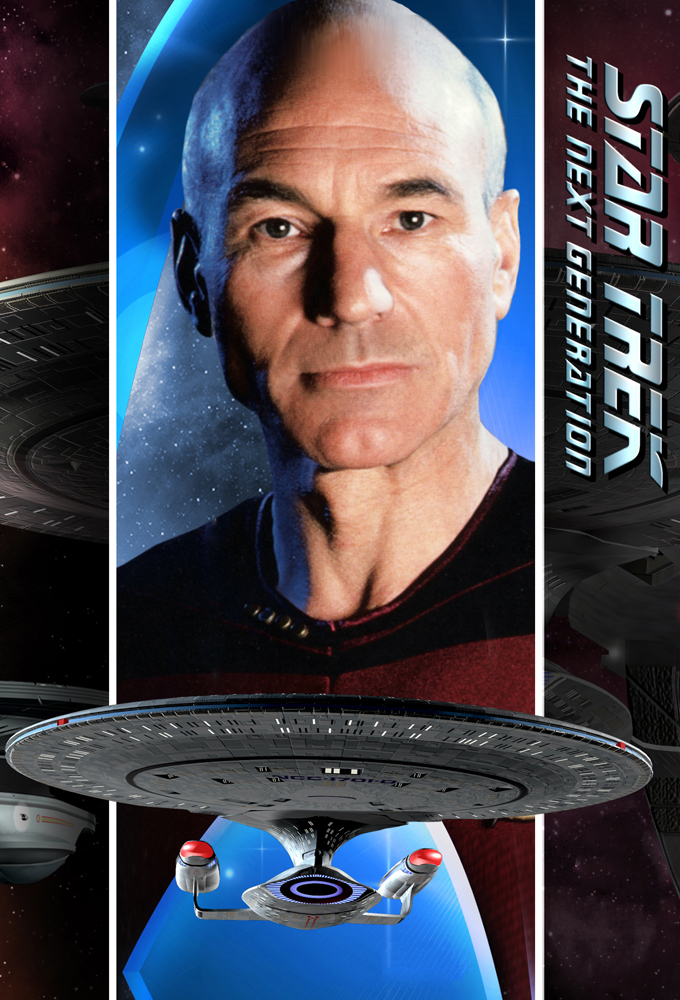
If you liked Star Trek: Enterprise:








Technical Details
- Network: UPN
- Seasons: 4
- Years: 2001 - 2005
- Genre: Action, Adventure, Drama, Science Fiction
- Rating: TV-PG