

Why Watch
"Experience the audacious, philosophically daring voyages that turned classic space exploration into an enduring cultural phenomenon."
Tone: Philosophical, Pioneering Sci-Fi, Camp Classic
Streaming Ranks:











AI Critic Analysis
Series Deep Dive:
Gene Roddenberry's iconic space saga concludes its broadcast voyage with Star Trek Season 3. Despite severe budgetary constraints and shifts in time slots on NBC, this final installment delivers indelible morality tales. Captain Kirk, Spock, and the crew of the USS Enterprise confront profound ethical dilemmas across the galaxy, cementing an ambitious science-fiction vision that challenged television standards and reshaped popular culture for generations.
Analysis Refined:March 2026
Scheduled next refinement: in 511 days
Season: 3
| Watched? | # | Air Date | Episode Name |
|---|---|---|---|
| E1 | Sep 20, 1968 | Spock's Brain | |
| E2 | Sep 27, 1968 | The Enterprise Incident | |
| E3 | Oct 04, 1968 | The Paradise Syndrome | |
| E4 | Oct 11, 1968 | And the Children Shall Lead | |
| E5 | Oct 18, 1968 | Is There in Truth No Beauty? | |
| E6 | Oct 25, 1968 | Spectre of the Gun | |
| E7 | Nov 01, 1968 | Day of the Dove | |
| E8 | Nov 08, 1968 | For the World is Hollow and I Have Touched the Sky | |
| E9 | Nov 15, 1968 | The Tholian Web | |
| E10 | Nov 22, 1968 | Plato's Stepchildren | |
| E11 | Nov 29, 1968 | Wink of an Eye | |
| E12 | Dec 06, 1968 | The Empath | |
| E13 | Dec 20, 1968 | Elaan of Troyius | |
| E14 | Jan 03, 1969 | Whom Gods Destroy | |
| E15 | Jan 10, 1969 | Let That Be Your Last Battlefield | |
| E16 | Jan 17, 1969 | The Mark of Gideon | |
| E17 | Jan 24, 1969 | That Which Survives | |
| E18 | Jan 31, 1969 | The Lights of Zetar | |
| E19 | Feb 14, 1969 | Requiem for Methuselah | |
| E20 | Feb 21, 1969 | The Way to Eden | |
| E21 | Feb 28, 1969 | The Cloud Minders | |
| E22 | Mar 07, 1969 | The Savage Curtain | |
| E23 | Mar 14, 1969 | All Our Yesterdays | |
| E24 | Jun 03, 1969 | Turnabout Intruder |
Series Legacy & Historical Archive
Franchise Status: Active multi-series universe spanning modern streaming projects, feature films, and historical archives.
Star Trek remains a definitive pillar of television, having concluded its influential run on NBC. Gene Roddenberry's visionary space opera dismantled mid-century social boundaries, presenting a profoundly optimistic vision of galactic diplomacy and multicultural unity aboard the U.S.S. Enterprise. Though canceled prematurely after three groundbreaking seasons, immense syndication fervor permanently transformed its modest broadcast footprint into an unstoppable cultural juggernaut. Today, its revolutionary humanist ethos, enduring moral dilemmas, and iconic characters continue to inspire scientific innovation and generations of modern narrative storytelling worldwide.
Oracle Insights Refined:March 2026
Scheduled next refinement: in 389 days
If you liked Star Trek:
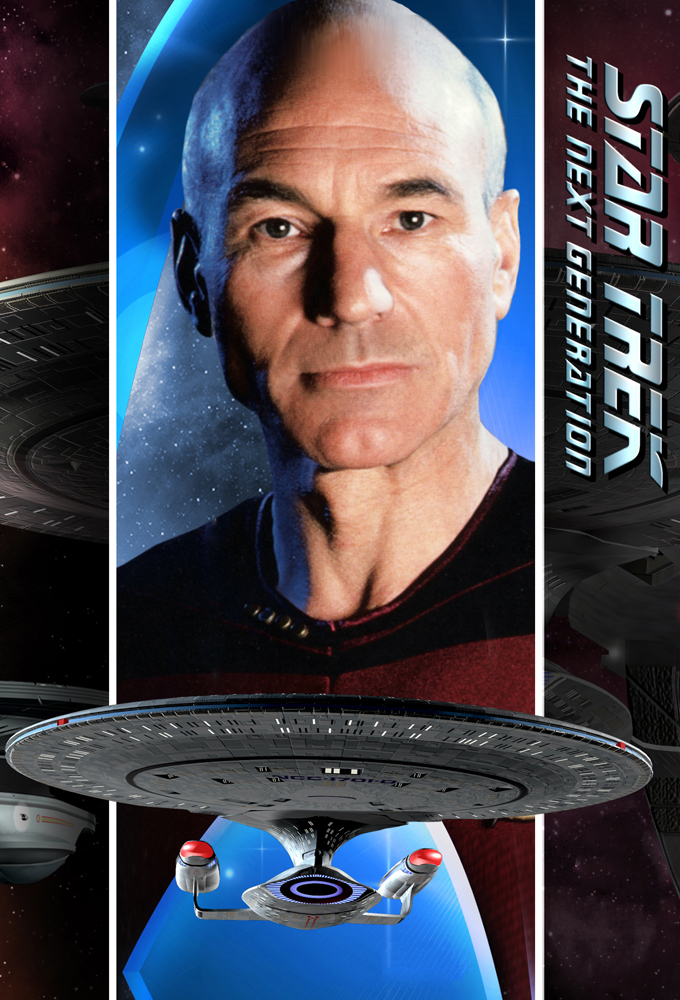


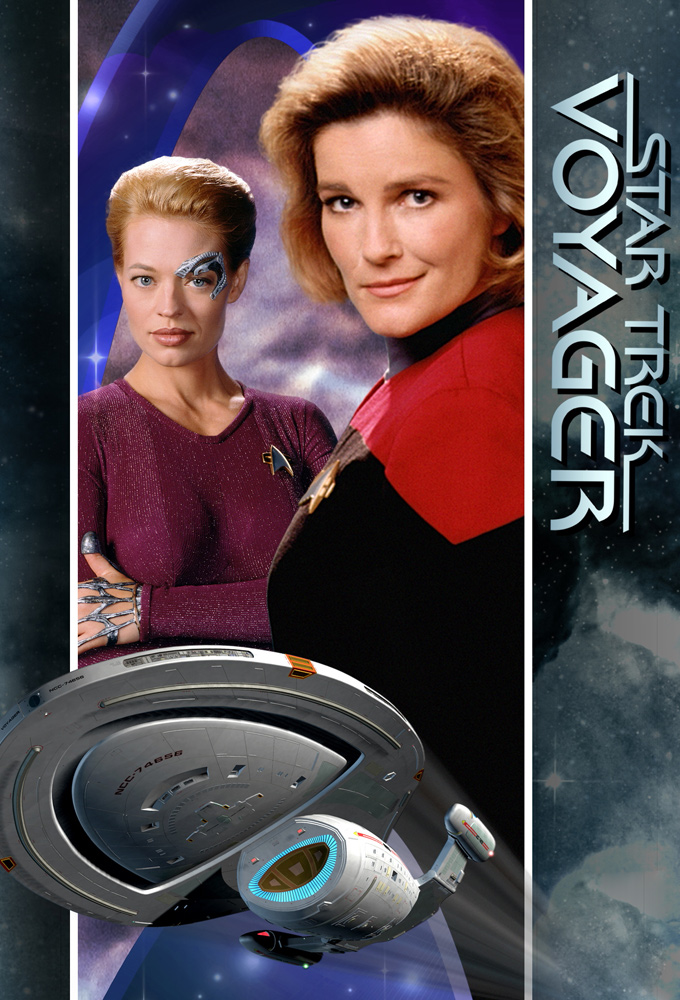


Technical Details
- Network: NBC
- Seasons: 3
- Years: 1966 - 1969
- Genre: Action, Adventure, Drama, Science Fiction
- Rating: TV-PG
Frequently Asked Questions
Star Trek was canceled by NBC in 1969 primarily due to low Nielsen ratings and high production costs during its initial run. Although a massive fan-led letter-writing campaign successfully earned the show a third season, the network ultimately decided the viewership figures were not high enough to continue.
The original Star Trek series consists of three seasons and a total of 79 episodes that aired between 1966 and 1969. This count includes the episodes produced for television, though the original pilot episode The Cage was not broadcast in its entirety until years later.
There are currently no credible rumors for a direct revival of the 1966 series, as the franchise has transitioned into telling new stories through prequels and sequels. However, the 2009 J.J. Abrams film and its sequels represent a cinematic reboot that reimagines the original crew in an alternate timeline.
The original series led to numerous spin-offs including Star Trek: The Animated Series, The Next Generation, Deep Space Nine, Voyager, and Enterprise. Modern entries like Discovery and Strange New Worlds also serve as direct narrative extensions or prequels to the legacy show.
Star Trek: Strange New Worlds functions as a direct prequel to the legacy series, following Captain Christopher Pike on the USS Enterprise before James T. Kirk took command. It features younger versions of iconic legacy characters such as Spock, Nyota Uhura, and Nurse Christine Chapel.
There will not be a fourth season of the original series because the production ended in 1969 and the surviving cast members have aged out of their roles. The legacy of the show continues through various new television series and films that explore different eras of the Star Trek universe.
FAQ Refined:March 2026
Scheduled next refinement: in 110 days