Why Watch
"Witness Ryu and Ken evolve from ambitious martial artists into legendary fighters facing Shadowlaw's lethal global syndicate."
AI Critic Analysis
Series Deep Dive:
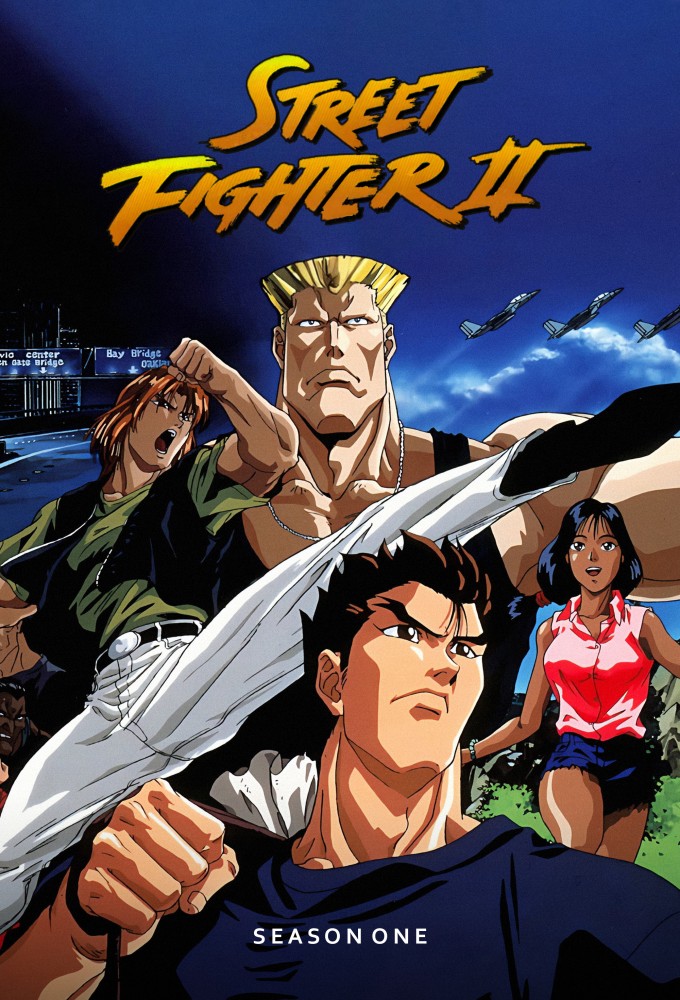
A standout 1990s anime adaptation, Street Fighter II: V reimagines Capcom's iconic franchise into a serialized coming-of-age journey. Following young martial artists Ryu and Ken Masters, the series balances grounded martial arts training with escalating criminal intrigue orchestrated by M. Bison. Featuring dynamic fight choreography and deep character exploration, this completed classic remains an essential milestone for fighting game enthusiasts seeking the ultimate narrative showdown.
Season: 1
| Watched? | # | Air Date | Episode Name |
|---|---|---|---|
| E1 | Apr 10, 1995 | ||
| E2 | Apr 17, 1995 | ||
| E3 | Apr 24, 1995 | ||
| E4 | May 01, 1995 | ||
| E5 | May 08, 1995 | ||
| E6 | May 22, 1995 | ||
| E7 | Jun 05, 1995 | ||
| E8 | Jun 12, 1995 | ||
| E9 | Jun 19, 1995 | ||
| E10 | Jun 26, 1995 | ||
| E11 | Jul 03, 1995 | ||
| E12 | Jul 10, 1995 | ||
| E13 | Jul 17, 1995 | ||
| E14 | Jul 24, 1995 | ||
| E15 | Jul 31, 1995 | ||
| E16 | Aug 07, 1995 | ||
| E17 | Aug 14, 1995 | ||
| E18 | Aug 21, 1995 | ||
| E19 | Aug 28, 1995 | ||
| E20 | Sep 04, 1995 | ||
| E21 | Sep 11, 1995 | ||
| E22 | Sep 18, 1995 | ||
| E23 | Oct 16, 1995 | ||
| E24 | Oct 23, 1995 | ||
| E25 | Oct 30, 1995 | ||
| E26 | Nov 06, 1995 | ||
| E27 | Nov 13, 1995 | ||
| E28 | Nov 20, 1995 | ||
| E29 | Nov 27, 1995 |
Series Legacy & Historical Archive
Franchise Status: The series remains a standalone cult classic, while the broader Street Fighter intellectual property continues to thrive through major video game releases like Street Fighter 6 and various multimedia collaborations.
Street Fighter II: V remains a definitive pillar of martial arts television, having concluded its influential run on Yomiuri TV. Unlike other adaptations that focused solely on tournament brackets, this series prioritized a globetrotting coming-of-age journey that humanized Ryu and Ken beyond their pixelated origins. By stripping away their supernatural mastery at the start, the show built a narrative tension that made the eventual discovery of Hadou techniques feel earned rather than expected.
The lasting cultural DNA of the series lies in its cinematic production values and its willingness to reinvent established lore for a more mature audience. It remains a rewatch staple because it balances high-stakes action with genuine character development, set against a backdrop of nineties urban aesthetics and an iconic soundtrack. Its grounded approach to the World Warriors mythos continues to influence how fighting game narratives are structured in modern animation today.
If you liked Street Fighter II: V:





Technical Details
- Network: Unknown
- Seasons: 1
- Years: 1995 - 1995
- Genre: Action, Adventure, Animation, Anime, Drama, Fantasy
- Rating: TV-14