

Why Watch
"Relive peak multi-cam suburban chaos with Ray Romano's sharp, hilarious look at overbearing in-laws and marital endurance."
Where to Watch













 Streaming details by:
JustWatch
Streaming details by:
JustWatch
AI Critic Analysis
Series Deep Dive:
Ray Romano and creator Philip Rosenthal closed out Everybody Loves Raymond Season 9 with rare comedic discipline. Anchored by the peerless timing of Doris Roberts and Peter Boyle, the final run avoids cheap sentimentality, choosing instead to double down on petty family grievances and enduring domestic friction. It remains one of the gold standards of the classic CBS multi-camera era, delivering an honest, laugh-out-loud conclusion to an indelible suburban saga.
Season: 9
| Watched? | # | Air Date | Episode Name |
|---|---|---|---|
| E1 | Sep 20, 2004 | The Home | |
| E2 | Sep 27, 2004 | Not So Fast | |
| E3 | Oct 04, 2004 | Angry Sex | |
| E4 | Oct 11, 2004 | P.T. & A. | |
| E5 | Oct 18, 2004 | Ally's F | |
| E6 | Nov 15, 2004 | Boys' Therapy | |
| E7 | Nov 22, 2004 | Debra's Parents | |
| E8 | Nov 29, 2004 | A Job for Robert | |
| E9 | Jan 03, 2005 | A Date for Peter | |
| E10 | Jan 17, 2005 | Favors | |
| E11 | Feb 07, 2005 | The Faux Pas | |
| E12 | Feb 14, 2005 | Tasteless Frank | |
| E13 | Apr 18, 2005 | Sister-in-Law | |
| E14 | May 02, 2005 | The Power of No | |
| E15 | May 09, 2005 | Pat's Secret | |
| E16 | May 16, 2005 | Finale |
Series Legacy & Historical Archive
Franchise Status: The series remains concluded with no active revival, though creator Phil Rosenthal and the surviving cast members frequently participate in reunions and retrospectives to honor the late Peter Boyle and Doris Roberts.
Everybody Loves Raymond remains a definitive pillar of sitcom television, having concluded its influential run on CBS. The series carved out a unique space in the television landscape by grounding its humor in the relatable, often suffocating dynamics of multi-generational family life and suburban domesticity. Its legacy is defined by a masterclass in ensemble chemistry, where the friction between the Barone family members served as a mirror for the universal frustrations and joys of kinship.
The show remains a rewatch staple because it avoids the cynicism of many contemporary comedies, opting instead for a timeless honesty about marriage and parenting. By focusing on the mundane conflicts of the everyday, it achieved a level of authenticity that continues to resonate with new audiences through syndication. The writing remains sharp and the performances iconic, ensuring that the Barone household remains a comforting, albeit chaotic, destination for viewers seeking traditional comedic excellence.
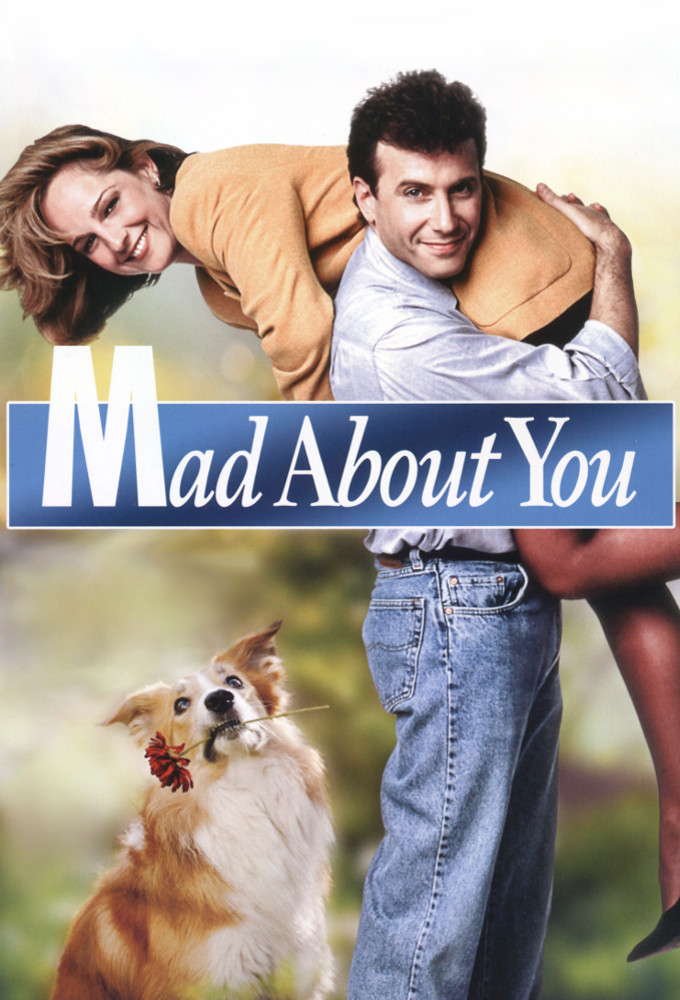
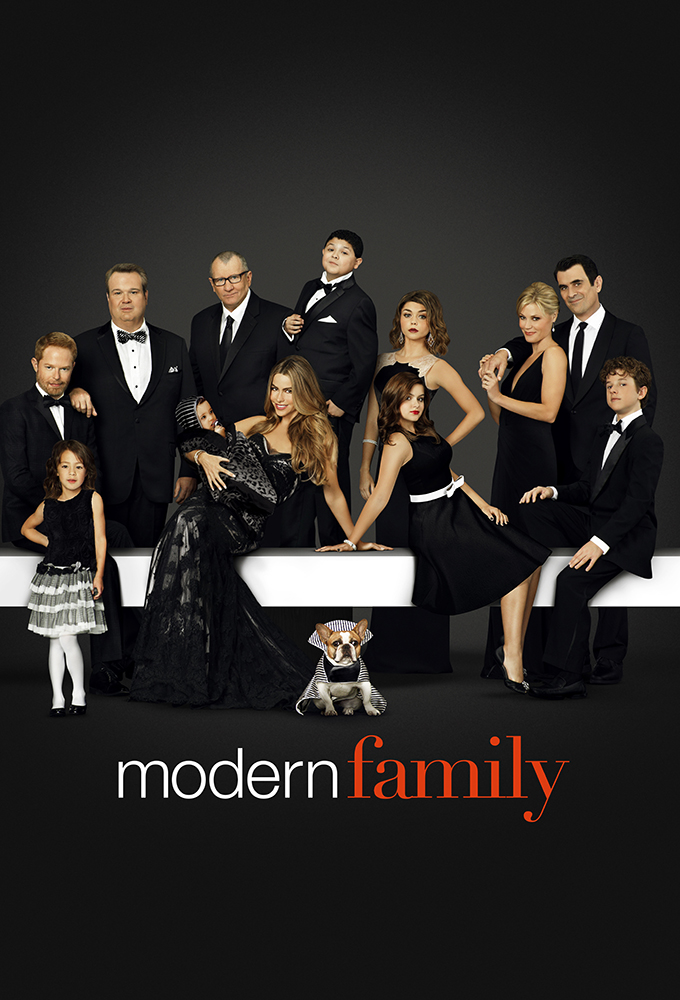
If you liked Everybody Loves Raymond:




Technical Details
- Network: CBS
- Seasons: 9
- Years: 1996 - 2005
- Genre: Comedy
- Rating: TV-PG