

Why Watch
"Masterful interrogation scenes and raw Baltimore realism make this landmark procedural essential viewing for crime drama purists."





AI Critic Analysis
Series Deep Dive:
Before peak TV redefined the genre, Homicide: Life on the Street set the gold standard. Adapted from David Simon’s reporting, NBC’s groundbreaking drama stripped away Hollywood polish in favor of handheld intensity, existential dread, and morally complex detective work. Anchored by Andre Braugher’s legendary performance as Frank Pembleton, this final season cements the series as a pivotal milestone that permanently altered the landscape of television drama.
Season: 7
| Watched? | # | Air Date | Episode Name |
|---|---|---|---|
| E1 | Sep 25, 1998 | La Famiglia | |
| E2 | Oct 16, 1998 | Brotherly Love | |
| E3 | Oct 23, 1998 | Just an Old Fashioned Love Song | |
| E4 | Oct 30, 1998 | The Twenty Percent Solution | |
| E5 | Nov 06, 1998 | Red, Red Wine | |
| E6 | Nov 13, 1998 | Wanted: Dead or Alive (1) | |
| E7 | Nov 20, 1998 | Wanted: Dead or Alive (2) | |
| E8 | Dec 04, 1998 | Kellerman, P.I. (1) | |
| E9 | Dec 11, 1998 | Kellerman, P.I. (2) | |
| E10 | Jan 08, 1999 | Shades of Gray | |
| E11 | Jan 15, 1999 | Bones of Contention | |
| E12 | Jan 29, 1999 | The Same Coin | |
| E13 | Feb 05, 1999 | Homicide.com | |
| E14 | Feb 12, 1999 | A Case of Do or Die | |
| E15 | Feb 19, 1999 | Sideshow (2) | |
| E16 | Mar 26, 1999 | Truth Will Out | |
| E17 | Apr 02, 1999 | Zen and the Art of Murder | |
| E18 | Apr 09, 1999 | Self Defense | |
| E19 | Apr 30, 1999 | Identity Crisis | |
| E20 | May 07, 1999 | Lines of Fire | |
| E21 | May 14, 1999 | The Why Chromosome | |
| E22 | May 21, 1999 | Forgive Us Our Trespasses |
Series Legacy & Historical Archive
Franchise Status: Concluded
Homicide: Life on the Street remains a definitive pillar of police procedural television, having concluded its influential run on NBC. This series revolutionized the crime drama by stripping away the glossy Hollywood veneer of the 1980s and replacing it with a handheld, documentary-style aesthetic that felt raw and immediate. By focusing on the psychological toll of detective work rather than simple gunfights, the show introduced audiences to the concept of the interrogation room as a theater of war, known famously as The Box. Its commitment to complex storytelling and morally ambiguous characters set a new standard for what network television could achieve, proving that audiences were hungry for intellectual depth and authentic urban narratives.
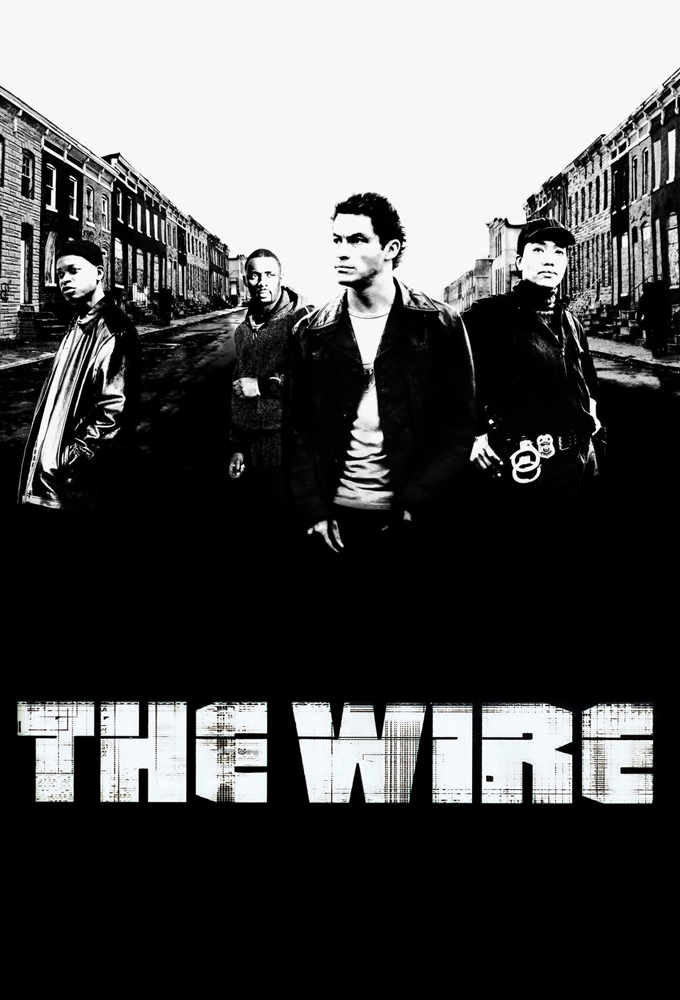
The cultural DNA of the program lives on through its direct influence on prestige television, most notably serving as the creative precursor to The Wire. For modern viewers, the series remains a rewatch staple because of its peerless ensemble cast and the profound chemistry between characters like Frank Pembleton and Tim Bayliss. Its recent resurgence on streaming platforms has allowed a new generation to discover the haunting beauty of its Baltimore setting and the timeless nature of its existential themes. Even decades later, the show stands as a masterclass in writing and performance, reminding fans that true justice is rarely black and white but rather a persistent shade of gray.
If you liked Homicide: Life on the Street:






Technical Details
- Network: NBC
- Seasons: 7
- Years: 1993 - 1999
- Genre: Crime, Drama, Mystery, Thriller
- Rating: TV-14