
Why Watch
"Witness astonishing alien intelligence beneath the waves through groundbreaking underwater cinematography narrated with captivating wonder by Paul Rudd."











AI Critic Analysis
Series Deep Dive:
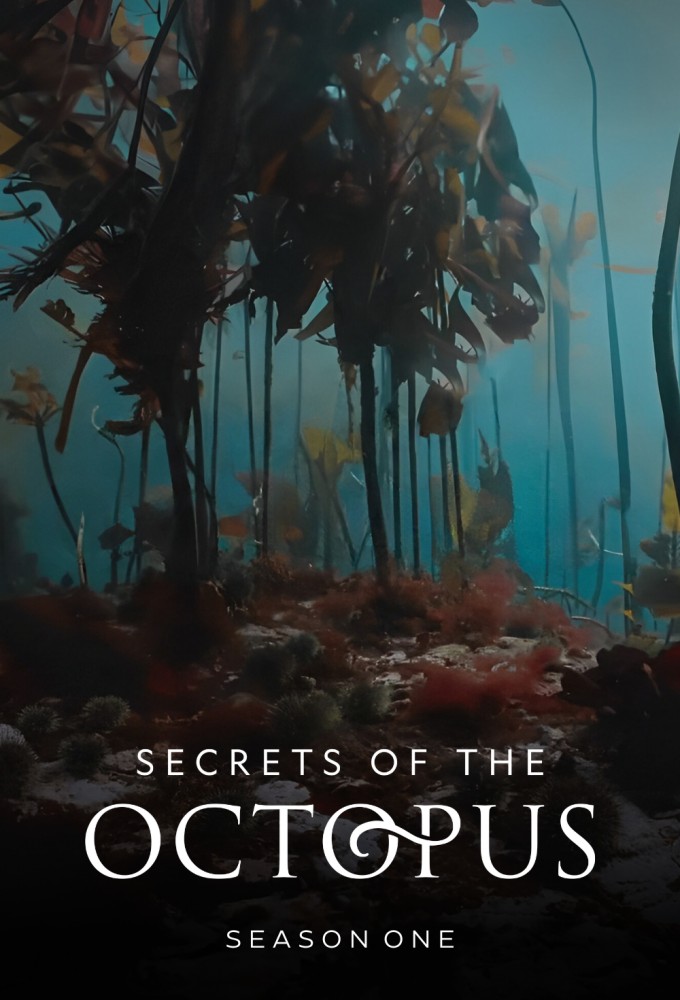
Executive producer James Cameron delivers an extraordinary marine natural history event in Secrets of the Octopus. Narrated by Paul Rudd, this stunning three-part documentary examines the alien minds residing in our oceans. Through pioneering scientific research and exquisite macro photography, the series showcases cephalopod shapeshifting, complex social bonds, and problem-solving brilliance. It stands as an essential, complete record of the most enigmatic creatures inhabiting the marine ecosystem.
Season: 1
| Watched? | # | Air Date | Episode Name |
|---|---|---|---|
| E1 | Apr 21, 2024 | ShapeShifters | |
| E2 | Apr 21, 2024 | Masterminds | |
| E3 | Apr 21, 2024 | Social Networkers |
Production Note - Limited Series
Production Type: Limited Series
Secrets of the Octopus is a standalone Limited Series designed as a completed, finite historical narrative. The production represents a high-budget natural history initiative from National Geographic, utilizing cutting-edge underwater cinematography to document the complex behaviors and intelligence of cephalopods across the globe. By focusing on specific biological and evolutionary milestones within a three-episode structure, the creators intended to provide a comprehensive yet concise exploration of the species, leaving no narrative threads for future seasons within this specific installment.
This documentary was developed as part of an annual Earth Day event strategy, following a successful pattern of species-specific limited engagements. The finite nature of the project allowed the production team to dedicate years of field research and specialized filming techniques to a singular subject, ensuring a definitive cinematic statement. Because the series was conceived as a self-contained scientific study rather than a recurring procedural, its conclusion marks the fulfillment of its intended educational and artistic scope.
If you liked Secrets of the Octopus:





Trailer
Technical Details
- Network: National Geographic
- Seasons: 1
- Years: 2024 - 2024
- Genre: Documentary