

Why Watch
"Genndy Tartakovsky delivers explosive, kinetic 2D animation that flawlessly bridges the gap between galactic prequels with unrivaled style."
Tone: Kinetic, Operatic, Stylized Action


AI Critic Analysis
Series Deep Dive:
Director Genndy Tartakovsky transforms galactic warfare into pure kinetic poetry in Star Wars: Clone Wars Season 3. Expanding into longer chapters, this micro-series bridges Attack of the Clones and Revenge of the Sith with breathless pacing. Minimalist dialogue yields to astonishing visual storytelling, framing Anakin Skywalker's tragic descent through peerless martial arts sequences, legendary Jedi duels, and the chilling introduction of General Grievous.
Analysis Refined:March 2026
Scheduled next refinement: in 399 days
Season: 3
| Watched? | # | Air Date | Episode Name |
|---|---|---|---|
| E1 | Mar 21, 2005 | Chapter XXI | |
| E2 | Mar 22, 2005 | Chapter XXII | |
| E3 | Mar 23, 2005 | Chapter XXIII | |
| E4 | Mar 24, 2005 | Chapter XXIV | |
| E5 | Mar 25, 2005 | Chapter XXV |
Series Legacy & Historical Archive
Franchise Status: Concluded Historical Archive
Star Wars: Clone Wars remains a definitive pillar of television, having concluded its influential run on Cartoon Network. Genndy Tartakovsky’s micro-series revolutionized animated action with kinetic pacing, minimalist dialogue, and striking stylized visuals. Bridging the narrative gap between theatrical prequels, the groundbreaking project introduced General Grievous and redefined galactic warfare on the small screen.
Decades later, its Emmy-winning choreography endures as a masterclass in visual storytelling, fundamentally shaping subsequent multimedia expansions across the enduring Star Wars canon.
Decades later, its Emmy-winning choreography endures as a masterclass in visual storytelling, fundamentally shaping subsequent multimedia expansions across the enduring Star Wars canon.
Oracle Insights Refined:March 2026
Scheduled next refinement: in 372 days
If you liked Star Wars: Clone Wars:

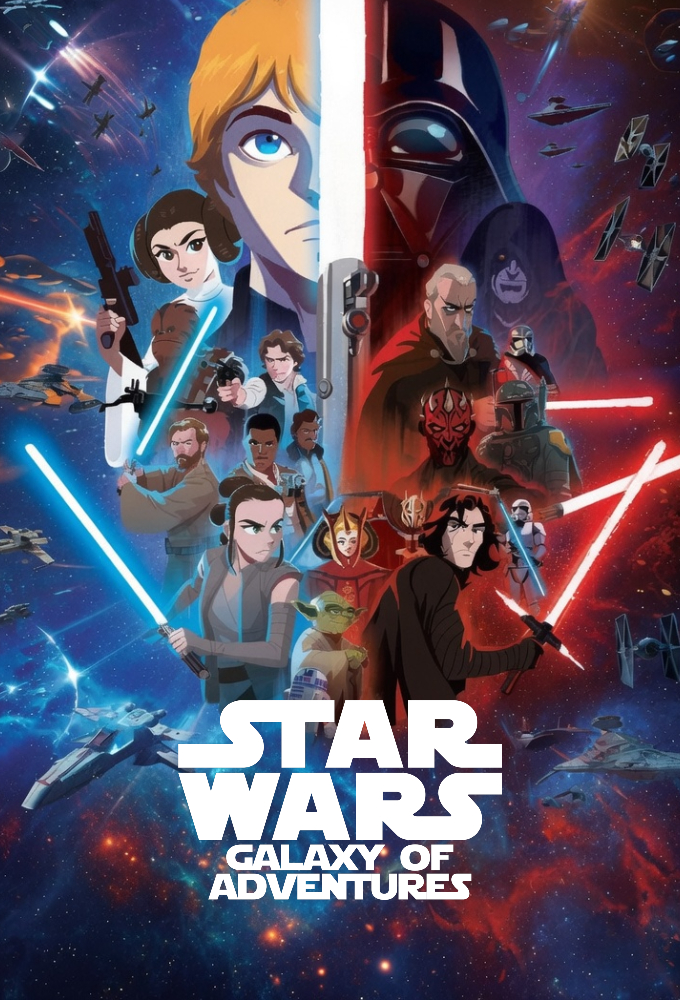


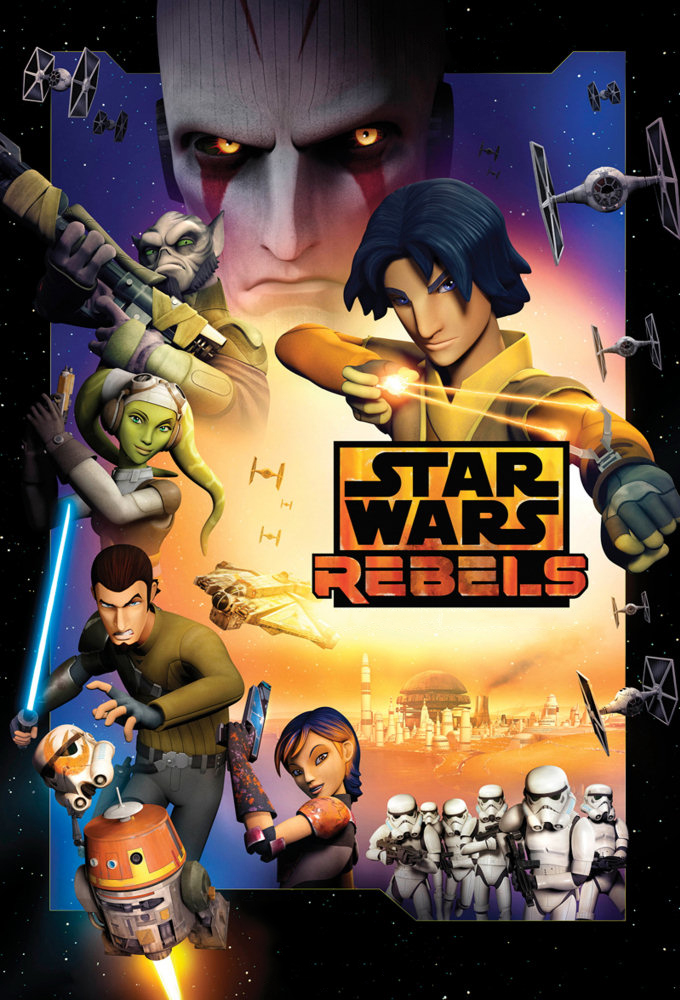


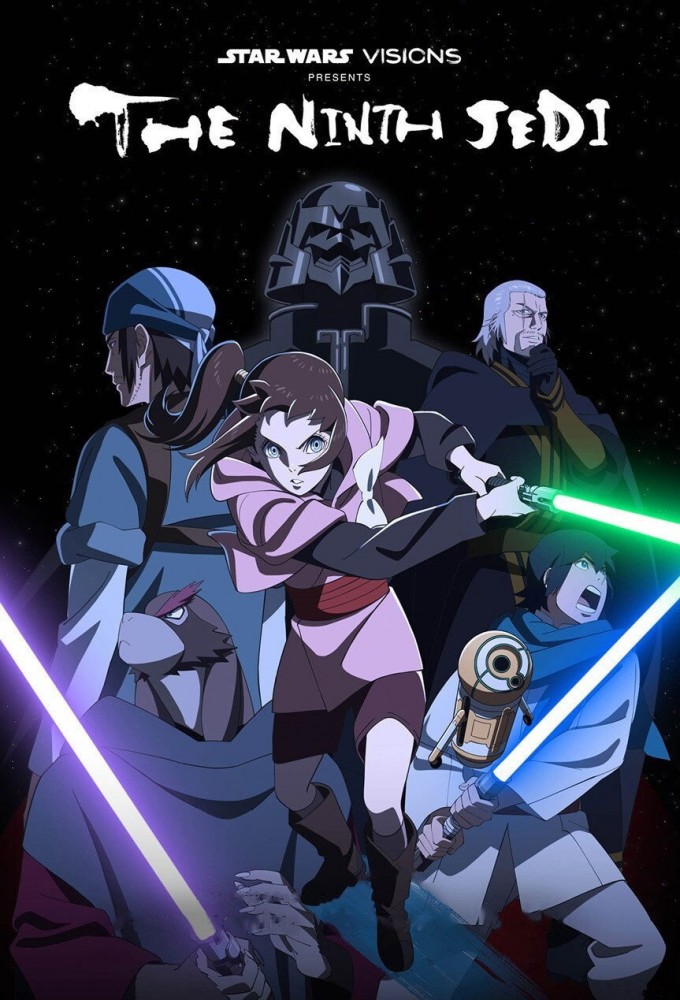

Technical Details
- Network: Cartoon Network
- Seasons: 3
- Years: 2003 - 2005
- Genre: Action, Adventure, Animation, Drama, Family, Fantasy, Science Fiction
- Rating: TV-Y7
Frequently Asked Questions
The series was not canceled but rather reached its natural conclusion as a bridge between Attack of the Clones and Revenge of the Sith. It was designed as a limited micro-series to build hype for the final prequel film, ending exactly where the movie begins.
There are currently no credible rumors or official plans for a reboot or revival of this specific 2D animated series. Lucasfilm has primarily focused on the 2008 CGI series and subsequent live-action projects, leaving this version as a standalone Legends title.
The series consists of three seasons which are typically collected into two volumes. Seasons 1 and 2 feature three-minute episodes, while Season 3 consists of longer, twelve-minute episodes that conclude the narrative.
There are no direct spin-offs for this specific 2D series, though it served as the conceptual predecessor for the 2008 CGI show Star Wars: The Clone Wars. Many characters and designs introduced here were later adapted for other media within the franchise.
On the contrary, the show was a massive critical success and won multiple Emmy Awards during its brief run. It ended solely because its narrative purpose was fulfilled once it linked the storylines of the live-action prequel films.
Following the Disney acquisition of Lucasfilm, this series was reclassified as part of the Legends timeline and is no longer part of the official canon. However, it remains a significant piece of Star Wars history and is available for streaming as a legacy project.
FAQ Refined:March 2026
Scheduled next refinement: in 99 days