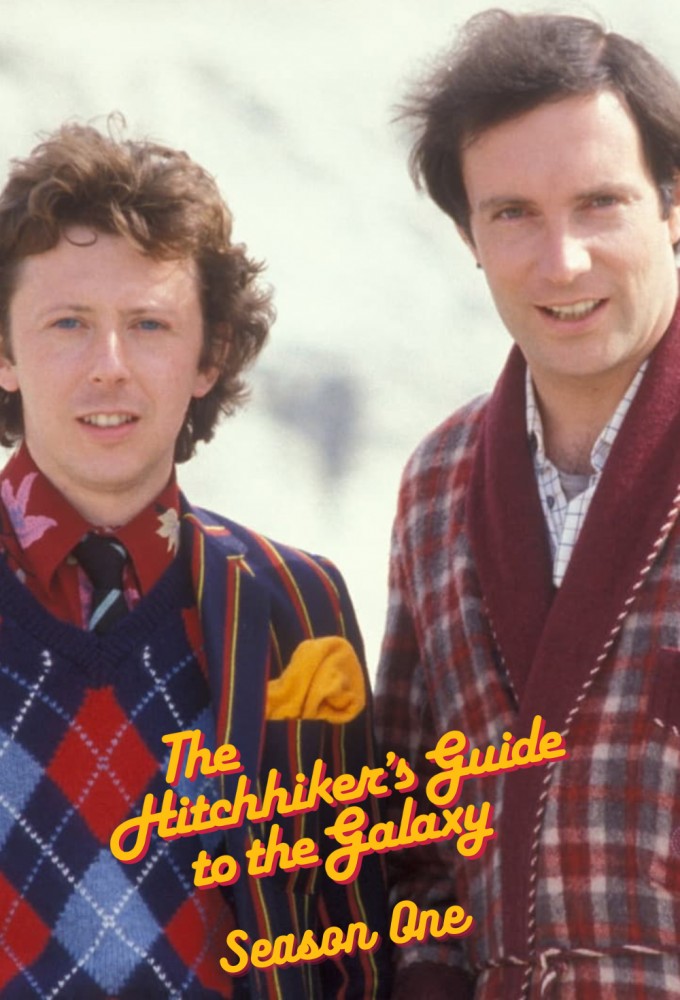

Why Watch
"Don't Panic: A retrospective of Douglas Adams' galactic masterpiece."









AI Critic Analysis
Series Deep Dive:
Premiering in 1981 on BBC Two, the television adaptation of Douglas Adams’ The Hitchhiker's Guide to the Galaxy remains a cornerstone of science fiction comedy. Despite production constraints, its creative ingenuity—specifically the pioneering hand-drawn animation used to depict the Guide’s electronic interface—set a new standard for visual storytelling in the pre-CGI era. The series successfully captured the dry, satirical wit of the original radio program, cementing Arthur Dent’s dressing-gown-clad journey as a definitive British cultural export. Its influence extends far beyond the screen, popularizing iconic concepts like the Babel fish and the significance of a sturdy towel. Decades later, its absurdism and sharp critique of bureaucracy continue to resonate with audiences, securing its status as a monumental achievement in the history of televised speculative fiction.
Season: 1
| Watched? | # | Air Date | Episode Name |
|---|---|---|---|
| E1 | Jan 05, 1981 | Episode 1 | |
| E2 | Jan 12, 1981 | Episode 2 | |
| E3 | Jan 19, 1981 | Episode 3 | |
| E4 | Jan 26, 1981 | Episode 4 | |
| E5 | Feb 02, 1981 | Episode 5 | |
| E6 | Feb 09, 1981 | Episode 6 |
Series Legacy & Historical Archive
Franchise Status: Legacy / Concluded
The Hitchhiker's Guide to the Galaxy remains a definitive pillar of science fiction television, having concluded its influential run on the BBC. Beyond its humble origins as a radio play, the 1981 television adaptation successfully translated Douglas Adams' unique brand of cosmic absurdity into a visual medium. The series established a template for intellectual comedy that blends high-concept scientific theories with mundane British wit, creating a satirical landscape that feels both timeless and deeply specific to its era. Its legacy is found in how it treats the vastness of the universe not with terror, but with a shrug and a towel, cementing its place as a foundational text for modern geek culture.
Fans return to the series repeatedly because of its dense, layered dialogue and the iconic computer-animated guide sequences which remain visually striking despite their age. The show captures a specific philosophical anxiety about the meaning of life, the universe, and everything, packaging it in a way that remains incredibly accessible and hilarious decades later. As a rewatch staple, it offers a comforting sense of nostalgia while its sharp social commentary on bureaucracy and human nature continues to resonate with new generations of viewers. Its influence persists in every piece of media that dares to find the humor in the existential dread of space travel.
If you liked The Hitchhiker's Guide to the Galaxy:





Technical Details
- Network: BBC Two
- Seasons: 1
- Years: 1981 - 1981
- Genre: Adventure, Comedy, Science Fiction