

Why Watch
"Mike Judge's slacker icons deliver razor-sharp counterculture satire, cutting through modern pop culture with timeless, gleeful idiocy."












AI Critic Analysis
Series Deep Dive:
Created by Mike Judge, Beavis and Butt-Head remains a defining monument of animated television. Season 9 revitalized the legendary duo for a contemporary era, proving their caustic couch commentary and misadventures never lose relevance. With biting cultural critiques woven into unapologetic lowbrow humor, this concluding MTV run serves as a hilarious masterclass in timeless satire. Series Reminder helps fans explore the complete broadcast legacy and historical release schedules.
Season: 9
| Watched? | # | Air Date | Episode Name |
|---|---|---|---|
| E1 | Oct 27, 2011 | Werewolves of Highland | |
| E2 | Oct 27, 2011 | Crying | |
| E3 | Nov 03, 2011 | Daughter's Hand | |
| E4 | Nov 03, 2011 | Tech Support | |
| E5 | Nov 10, 2011 | Holy Cornholio | |
| E6 | Nov 10, 2011 | Drones | |
| E7 | Nov 17, 2011 | Supersize Me | |
| E8 | Nov 17, 2011 | Bathroom Break | |
| E9 | Dec 01, 2011 | The Rat | |
| E10 | Dec 01, 2011 | Spill | |
| E11 | Dec 01, 2011 | Doomsday | |
| E12 | Dec 01, 2011 | Dumb Design | |
| E13 | Dec 08, 2011 | Copy Machine | |
| E14 | Dec 08, 2011 | Holding | |
| E15 | Dec 15, 2011 | Used Car | |
| E16 | Dec 15, 2011 | Bounty Hunters | |
| E17 | Dec 15, 2011 | Time Machine | |
| E18 | Dec 15, 2011 | Massage | |
| E19 | Dec 22, 2011 | School Test | |
| E20 | Dec 22, 2011 | Snitchers | |
| E21 | Dec 29, 2011 | Whorehouse | |
| E22 | Dec 29, 2011 | Going Down |
Series Legacy & Historical Archive
Franchise Status: Active
Beavis and Butt-Head remains a definitive pillar of adult animated television, having concluded its influential run on MTV. The series served as a mirror to the disaffected youth of the 1990s, using two couch-bound teenagers to critique pop culture through a lens of profound apathy and crude humor. Its legacy is found in how it pioneered the use of meta-commentary, as the duo's critiques of music videos became just as famous as the animated segments themselves. Mike Judge created a blueprint for satirical animation that prioritized social observation over complex plotting, proving that subversion could be found in the most unlikely of places.
The show remains a staple for modern viewers because it captures a specific era of media consumption while remaining surprisingly timeless in its depiction of teenage boredom. Its influence can be seen across the landscape of modern comedy, from the deadpan delivery of later animated hits to the rise of reaction-style content on social media. Fans return to the series not just for the nostalgia of the nineties, but for the sharp, underlying intelligence that fueled its ostensibly dim-witted protagonists. By stripping away the pretense of high-concept television, it achieved a raw authenticity that continues to resonate with audiences looking for unfiltered and unapologetic satire.
If you liked Beavis and Butt-Head:





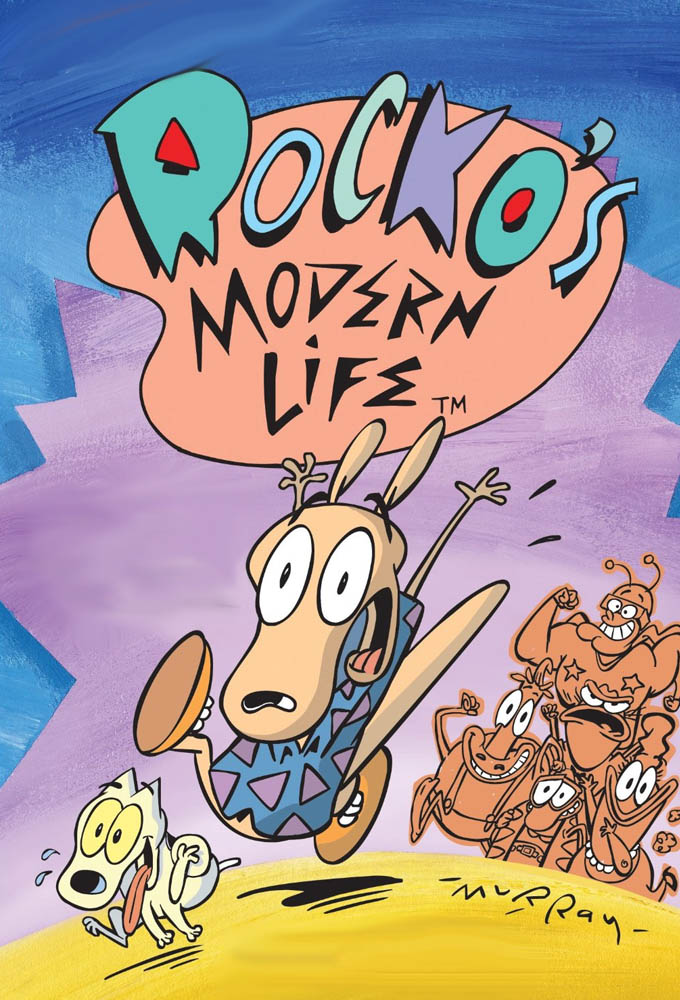




Technical Details
- Network: MTV
- Seasons: 8
- Years: 1993 - 2011
- Genre: Animation, Comedy
- Rating: TV-14