
Why Watch
"Experience the groundbreaking, unapologetic prison drama that redefined premium television and ignited the golden age of serialized storytelling."







AI Critic Analysis
Series Deep Dive:
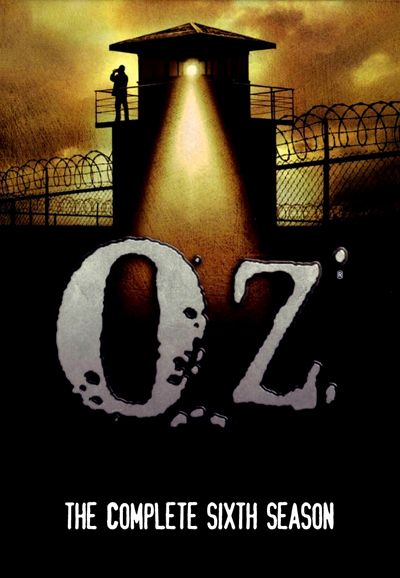
Tom Fontana's groundbreaking correctional facility drama concludes its turbulent run with unwavering intensity. Oz redefined cable drama by examining systemic failure, factional hostility, and raw survival inside Oswald Maximum Security Penitentiary. Supported by standout performances from Harold Perrineau, Lee Tergesen, and J.K. Simmons, this final chapter delivers a poetic, tragic resolution. It remains essential viewing for enthusiasts seeking the definitive origin point of modern prestige television.
Season: 6
| Watched? | # | Air Date | Episode Name |
|---|---|---|---|
| E1 | Jan 05, 2003 | Dead Man Talking | |
| E2 | Jan 12, 2003 | See No Evil, Hear No Evil, Smell No Evil | |
| E3 | Jan 19, 2003 | Sonata de Oz | |
| E4 | Jan 26, 2003 | A Failure to Communicate | |
| E5 | Feb 02, 2003 | 4Giveness | |
| E6 | Feb 09, 2003 | A Day in the Death... | |
| E7 | Feb 16, 2003 | Junkyard Dawgs | |
| E8 | Feb 23, 2003 | Exeunt Omnes |
Series Legacy & Historical Archive
Franchise Status: Completed; no active revivals or spin-offs are currently in development, though it remains a library staple for HBO.
Oz remains a definitive pillar of prison drama television, having concluded its influential run on HBO. As the first one-hour dramatic series produced by the network, it shattered the conventions of broadcast television by introducing a level of violence, profanity, and moral ambiguity that was previously unseen. The series established the template for the prestige television era, proving that audiences were hungry for complex, character-driven narratives set within claustrophobic and uncompromising environments. Its exploration of the American penal system through the experimental Emerald City unit created a microcosm of societal tensions that continues to resonate with modern viewers.
The show remains a rewatch staple because of its masterful ensemble acting and its fearless approach to character mortality. Fans return to the series to witness the intense psychological warfare between inmates like Tobias Beecher and Vernon Schillinger, which remains some of the most visceral conflict ever put to film. Beyond the shock value, the series utilized a unique Shakespearean structure, narrated by the philosophical Augustus Hill, to provide a meta-commentary on justice, redemption, and human nature. This intellectual depth ensures that the series is not merely a relic of its time but a foundational work that continues to influence every gritty drama that followed in its wake.
If you liked Oz:





Technical Details
- Network: HBO
- Seasons: 6
- Years: 1997 - 2003
- Genre: Crime, Drama, Thriller
- Rating: TV-MA