
Why Watch
"Experience Akira Toriyama's definitive martial arts epic that revolutionized global shonen anime, humor, and high-stakes adventure storytelling."






AI Critic Analysis
Series Deep Dive:
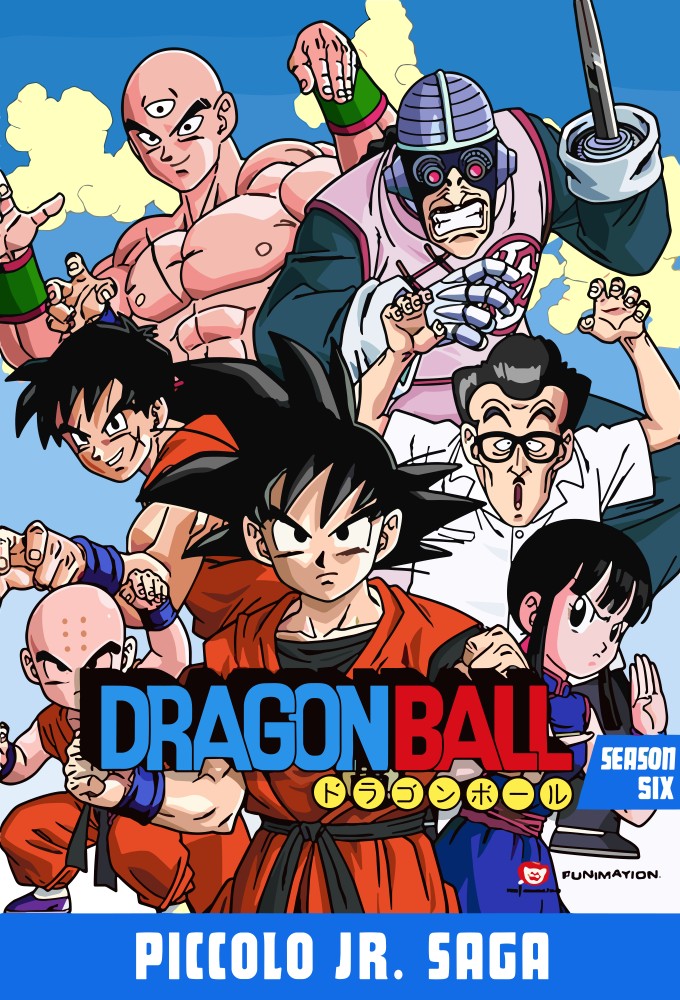
Akira Toriyama's groundbreaking classic, Dragon Ball, concluded its legendary run on Fuji TV by cementing Son Goku's mythic evolution. Season 6 showcases the transition into high-impact martial arts combat, culminating at the iconic 23rd World Martial Arts Tournament. Brimming with inventive fight choreography, unmatched charm, and emotional maturity, this milestone run paved the direct path toward its galactic successor while setting the gold standard for modern serialized action animation.
Season: 6
| Watched? | # | Air Date | Episode Name |
|---|---|---|---|
| E1 | Nov 09, 1988 | 嵐の前の再開 | |
| E2 | Nov 16, 1988 | 波乱の天下一武道会 | |
| E3 | Nov 23, 1988 | 選ばれた8人 | |
| E4 | Nov 30, 1988 | 殺し屋桃白白の逆襲 | |
| E5 | Dec 07, 1988 | 孫悟空の結婚 | |
| E6 | Dec 14, 1988 | 謎の男・シェン | |
| E7 | Dec 21, 1988 | 激闘ふたたび!悟空VS天津飯 | |
| E8 | Jan 11, 1989 | ほんとうの力 | |
| E9 | Jan 18, 1989 | 四人の天津飯 | |
| E10 | Jan 25, 1989 | どっちが強い!?神VSピッコロ大魔王 | |
| E11 | Feb 01, 1989 | この世の運命を賭けて! | |
| E12 | Feb 08, 1989 | 出た!究極の超カメハメ波 | |
| E13 | Feb 15, 1989 | ピッコロ大魔王超巨身術 | |
| E14 | Feb 22, 1989 | 孫悟空のワナ | |
| E15 | Mar 01, 1989 | 万事休す!! | |
| E16 | Mar 08, 1989 | やった!地球上最強の男 | |
| E17 | Mar 15, 1989 | 炎の中のウエディングドレス | |
| E18 | Mar 22, 1989 | 幻の火喰い鳥 | |
| E19 | Apr 05, 1989 | チチの花嫁修行のおかげです | |
| E20 | Apr 12, 1989 | いそげ悟空!五行山のなぞ | |
| E21 | Apr 19, 1989 | 燃えるフライパン山!一瞬の決死行 |
Series Legacy & Historical Archive
Franchise Status: Active (Ongoing via sequels, films, and spin-offs)
Dragon Ball remains a definitive pillar of shonen anime television, having concluded its influential run on Fuji TV. The series transformed the landscape of global animation by blending traditional martial arts folklore with high-stakes science fiction elements. It established the foundational blueprint for the modern battle manga genre, introducing iconic tropes such as power levels, training montages, and the concept of escalating transformations that continue to define the medium decades later. Beyond its technical innovations, the show captured a sense of adventure and humor that resonated across cultural boundaries, making Son Goku a universal symbol of perseverance and pure-hearted strength.
The enduring appeal of the series as a rewatch staple lies in its masterful pacing and the visceral satisfaction of its character development. Unlike many of its successors, the original run maintains a grounded focus on technique and exploration before the cosmic scale of later iterations took hold. Fans return to the series to experience the nostalgic charm of the early World Martial Arts Tournaments and the emotional weight of Goku’s journey from a naive child to the world’s greatest defender. Its legacy is preserved not just through its sequels, but through its status as a foundational text that offers a timeless sense of wonder and excitement to every new generation of viewers.
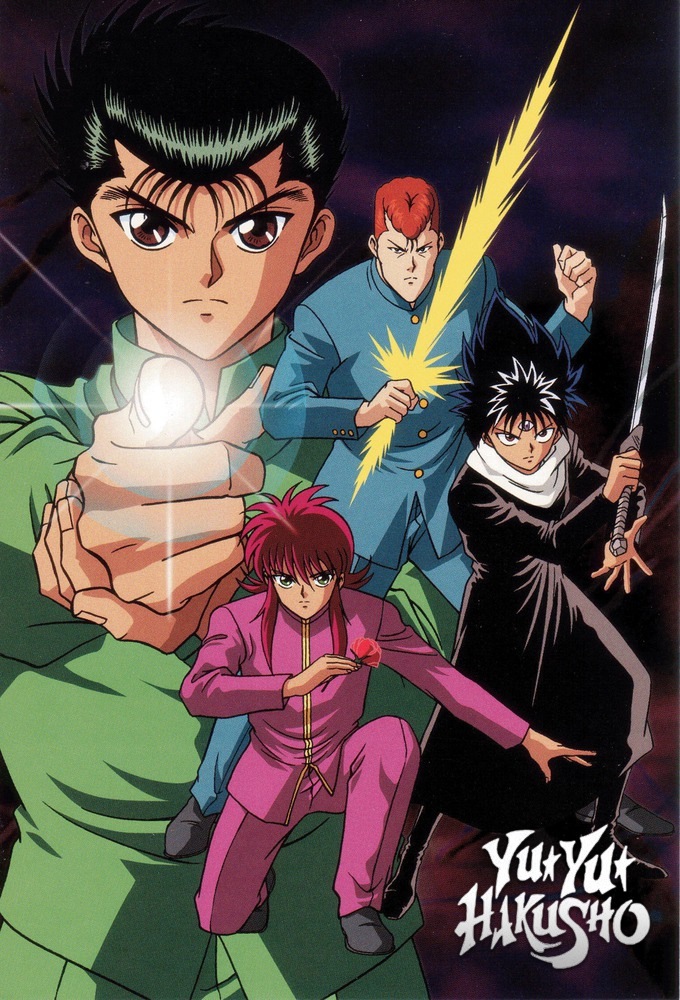
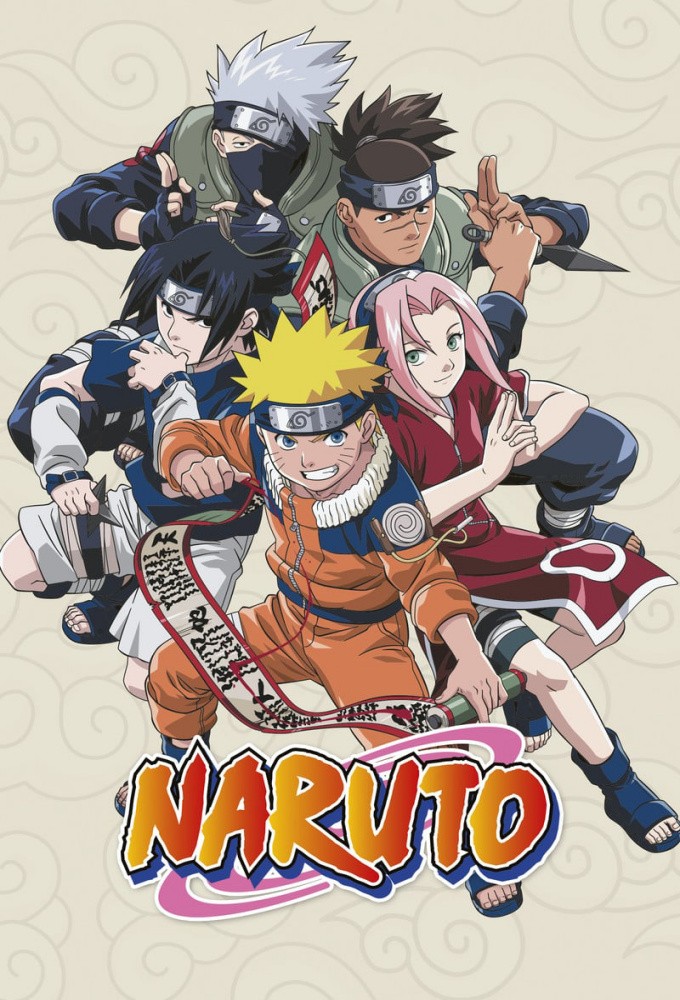
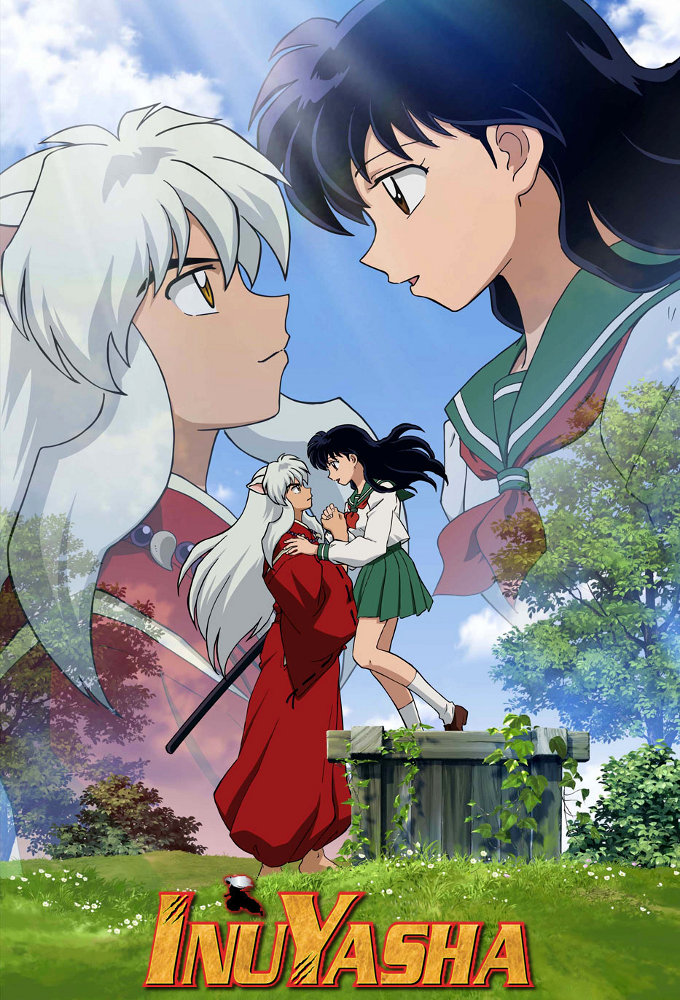
If you liked Dragon Ball:




Technical Details
- Network: Fuji TV
- Seasons: 6
- Years: 1986 - 1989
- Genre: Action, Adventure, Animation, Anime, Children, Fantasy, Science Fiction, Thriller
- Rating: TV-14